HR
HR FreeFree
Description
Detailed Description of Characters and Setting
1. The Setting: Gumau
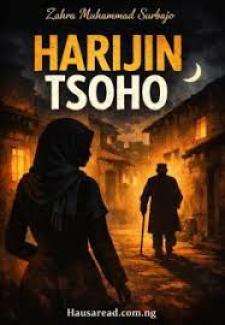
Gumau is portrayed as a vibrant, rustic melting pot of cultures, primarily inhabited by indigenous Fulani pastoralists and displaced farmers who fled conflict zones in Jos (specifically Ladi Barracks and Yalwan Shandam).
- Geography & Economy: Straddling the borders of Bauchi and Jos, the land is exceptionally fertile. Agriculture serves as the economic lifeblood, yielding cabbages, bell peppers, lettuce, carrots, Irish and Hausa potatoes, yams, and vast quantities of corn transported out in large J5 commercial vehicles.
- Social Fabric: It is a tight-knit, gossipy, yet mutually supportive rural community where everyone knows everyone else's business. However, this traditional harmony is constantly disrupted by the chaotic presence of Shatuwa.
2. Character Profiles
- Hajiya Tabawa ("Yaddiko"): A fascinating archetype of matriarchal strength. Despite having wealthy adult sons—Alhaji Imarana (a prominent resident in Bauchi) and Alhaji Rabi'u (a successful Abuja-based businessman)—she rejects idleness and luxury. She farms, raises livestock, and lends money even to the village head (maigari). Her fierce protectiveness over Shatuwa stems from the tragic night she rescued the infant from a burning vehicle while losing her own daughter, Aisha.
- Shatuwa (Yar Gidan Yaddiko): The chaotic anti-heroine of the narrative. She is a master of psychological and physical warfare, weaponizing public tantrums, bicycle crashes, and absurd insults. Despite her school-age status (in 5th grade), she maneuvers through the village with absolute impunity, secure in the knowledge that Yaddiko will bail her out of any trouble.
- The Supporting Cast (Victims & Authority Figures): Vendors like Lantana (bean cake seller), Abbasiya, Nata'alla, and school teachers like Malam Ayaga Luti represent the frustrated voice of the community. Their constant run-ins with Shatuwa highlight the systemic imbalance caused by Yaddiko's wealth and influence.
- The Visitors (Maheer & Najib): City-dwellers who bring a breath of fresh air and urban contrast to the rural setting, providing comedic relief through Shatuwa's bizarre comparisons (likening Najib's facial hair to a stolen ram named Sahabi).
Expanded Summary
The narrative functions as a comedic and satirical slice-of-life story centered on domestic chaos and community politics in Northern Nigeria.
- Act I: Introduction to Power and Privilege: The story opens by establishing the agrarian prosperity of Gumau and introducing Yaddiko—a self-made, wealthy matriarch who refuses to be dependent on her successful children. It highlights her deep emotional attachment to Shatuwa, an orphan rescued from a fatal car crash, whom she guards fiercely against the whispers and complaints of the villagers.
- Act II: A Morning of Reigning Terror: Shatuwa’s school day sets the tone for her mischievous nature. After skipping classes, bullying school prefects, and reducing teachers to sheer humiliation through brutal, unfiltered commentary about their physical appearances (such as mocking Malam Ayaga Luti's protruding stomach), she stages a theatrical breakdown. When news reaches Yaddiko, the grandmother rushes to the school half-dressed, ready to defend her granddaughter and deflect blame onto the teachers.
- Act III: The Village Rampage: Freed from school, Shatuwa takes her bicycle (taya) on a destructive tour of Gumau. She deliberately crashes into local food vendors—destroying bean cake sauce, vegetable trays, and fish stalls—while hurling taunts and insults.
- Act IV: Resolution and Status Quo: When victims trail her back to Yaddiko’s doorstep demanding justice, Yaddiko nonchalantly settles their claims with cash, shutting down complaints with sharp reprimands. The chapter closes with the arrival of urban guests, setting up a humorous dynamic where Shatuwa integrates the visitors into her web of eccentric comparisons.
In-Depth Literary Analytics
Narrative Tone and Style
- Satirical Realism with Hyperbole: The author employs heavy exaggeration (e.g., comparing a teacher's back to a duck or a stomach to an old drainage trench) to create comic relief. This mirrors traditional African oral storytelling styles where physical attributes are vividly and humorously personified.
- Picaresque Elements: Shatuwa functions as a classic picaresque trickster figure—a lower-status or mischievous protagonist who survives and thrives by outwitting authority figures, disrupting social order, and exposing hypocrisy without facing permanent consequences.
Cultural and Social Themes
- The Matriarchal Shield: The text deeply explores the protective power of older women in traditional Northern Nigerian societies. Yaddiko’s financial independence gives her political leverage over local authorities, rendering normal social contracts void when it comes to her household.
- Social Mobility vs. Rural Isolation: The contrast between Yaddiko's wealthy sons living in major cities (Abuja, Bauchi) and her own rustic, hands-on lifestyle highlights the tension between modern urban wealth and traditional rural values.
- The Psychology of Trauma and Coping: Beneath the comedy lies a darker undertone—Shatuwa is an orphan of a violent, fiery car crash, raised in an environment where she is both coddled and ostracized as an "outsider" (yar tsintuwa). Her aggressive behavior and attention-seeking chaos can be read as a defense mechanism against deep-seated abandonment anxieties.