They simplify the way you see yourself as a human being—a servant whose life is not entirely under their control. God created the world and all living things within it, each unique in its reality; some are naturally endowed, while others acquire knowledge by learning. Yet, in all His creations, He confirmed that humans are honorable, especially when we consider the signs revealed in the Holy Qur’an.
This does not mean that other creations are unimportant—no. But humans were given this honor and preference, as we see in Surah Al-Baqarah. When Allah told the angels He would create a khalifa (vicegerent) on Earth—Adam—and commanded them to prostrate before him, it highlighted man’s superiority over angels (note: the prostration was one of respect, not worship).
He did not stop at humans alone; He divided us into two genders, male and female, then into black and white, into different regions, into various religions, and even gave us different languages so that someone speaking in one tongue may not be understood by another. Beyond that, He distinguished us by livelihood, wealth, knowledge, talent, skill, diligence, and the strength with which He blessed us.
Possessing any one of these does not mean you have a higher status than another. Someone may be wealthy in this world but poor in the Hereafter—lacking good deeds and a favorable end. Another may be poor in this world yet rise with wealth in the Hereafter through righteous deeds and a good fate. One may have knowledge but fail to benefit from it if they do not apply it rightly in life. Conversely, someone seemingly ignorant may attain a blessed outcome in the Hereafter if they harm no one and follow a righteous path, by Allah’s mercy. This is just a small glimpse of His mercy for His servants.
Just as the world appears like a ball in the eye, so does the life of every human being appear in success or failure. The size of your problems, worries, and successes is reflected in your eyes and your heart. If you step back and trust that Allah is the ultimate determiner, you begin to see your troubles and trials as small, much like how a distant ball seems tiny.
The difference is that we perceive the size of a ball with our eyes, but we perceive the magnitude of life’s trials with our hearts and minds.
Let us summarize so you can grasp the essence of our reflection, because life runs swiftly and waits for no one. What I want the reader to consider is: What is life? Who are we? What will we leave behind? What is the ultimate end of life?
Believe that in every life there is happiness, trials, success, failure, challenges, beginnings, and ends. All these exist in a life that you do not fully control, as you were not consulted in your creation. You grow to understand yourself, yet you have no say in the blessings and trials bestowed upon you. Even the worship you perform cannot earn you more than what is decreed; you cannot add or subtract from it.
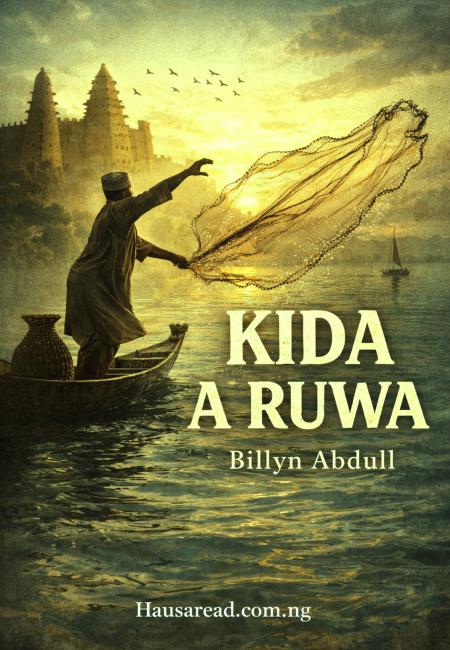
Now let us move directly into this story titled: “Kid in the Water! The Man Who Talks to Monsters”, which will soon reach you. We will uncover the lessons it holds for us, educate ourselves, entertain, and even preach where appropriate.
---
17/5/20013
…He stirred slightly, mumbling in his sleep, enough for anyone nearby to hear. Sweat dripped from his forehead, though it was not a hot day. In fact, it was a cold misty environment with a brisk wind.
A person nearby holding a book glanced at him, then reached out to touch him and called his name—but he did not move. The book was set down, and the observer’s heart grew anxious. This was not the first time his friend had entered such a state in sleep. Sometimes, one could interpret his sleep as supernatural, but it was not. In recent years, even when he had a deep, heavy sleep, he did not enter such a dream state—though he never shared his dreams, they were heavy and terrifying.
He shook him gently, removed the army-green blanket, and dabbed water on his face. A long, deep breath followed, a slight exhale, and then he opened his eyes slowly.
Masha Allah, his eyes were striking, almost feminine in beauty. His friend stared at him, then looked away, trying to sit up while leaning against the tent wall. He wore an armless army-green top and three-quarter military trousers. Even seated, his posture confirmed he was a disciplined soldier with a strong, sturdy physique, capable of facing any threat.
His friend shook his head, concerned, saying, “I wish I could squeeze your lips to know what kind of dream put you in this state, Zak-Shadow—look at your sweat, as if you were on a battlefield, yet it’s only a dream. This amazes and frightens me.”
Zak-Shadow slowly observed his surroundings, then quietly rose without speaking, wearing black slippers and heading for the tent exit, not looking back. Outside, the forest stretched endlessly with no sign of civilization. Apart from their small five-tent camp, three were large soldiers capable of handling many enemies, and two were smaller but well-organized. Zak-Shadow’s position was beneath a massive tree. Mist and cold obscured much of the scenery, but a nearby water source attracted wildlife and some dangerous creatures, though the soldiers had camped safely.
(No. Soldiers, may Allah increase your health and days wherever you are🙏.)
The camp had few soldiers outside. Those present were lightly armed and appeared to be night guards. Zak-Shadow’s emergence caused immediate attention; the soldier in his tent snapped to attention, saluting with respect, lowering his head. Zak-Shadow’s eyes, Masha Allah, commanded respect, and the others followed his lead, standing alert. His presence exuded authority, honesty, and discipline, making the observation and management of soldiers effortless for him.
Once he finished his inspection, he passed through, every movement confident, leaving the soldiers relieved but watchful, communicating silently with their eyes, like a quiet match with few players.





Destiny and Life History are a Mirror.
They simplify the way you see yourself as a human being—a servant whose life is not entirely under their control. God created the world and all living things within it, each unique in its reality; some are naturally endowed, while others acquire knowledge by learning. Yet, in all His creations, He confirmed that humans are honorable, especially when we consider the signs revealed in the Holy Qur’an.
This does not mean that other creations are unimportant—no. But humans were given this honor and preference, as we see in Surah Al-Baqarah. When Allah told the angels He would create a khalifa (vicegerent) on Earth—Adam—and commanded them to prostrate before him, it highlighted man’s superiority over angels (note: the prostration was one of respect, not worship).
He did not stop at humans alone; He divided us into two genders, male and female, then into black and white, into different regions, into various religions, and even gave us different languages so that someone speaking in one tongue may not be understood by another. Beyond that, He distinguished us by livelihood, wealth, knowledge, talent, skill, diligence, and the strength with which He blessed us.
Possessing any one of these does not mean you have a higher status than another. Someone may be wealthy in this world but poor in the Hereafter—lacking good deeds and a favorable end. Another may be poor in this world yet rise with wealth in the Hereafter through righteous deeds and a good fate. One may have knowledge but fail to benefit from it if they do not apply it rightly in life. Conversely, someone seemingly ignorant may attain a blessed outcome in the Hereafter if they harm no one and follow a righteous path, by Allah’s mercy. This is just a small glimpse of His mercy for His servants.
Just as the world appears like a ball in the eye, so does the life of every human being appear in success or failure. The size of your problems, worries, and successes is reflected in your eyes and your heart. If you step back and trust that Allah is the ultimate determiner, you begin to see your troubles and trials as small, much like how a distant ball seems tiny.
The difference is that we perceive the size of a ball with our eyes, but we perceive the magnitude of life’s trials with our hearts and minds.
Let us summarize so you can grasp the essence of our reflection, because life runs swiftly and waits for no one. What I want the reader to consider is: What is life? Who are we? What will we leave behind? What is the ultimate end of life?
Believe that in every life there is happiness, trials, success, failure, challenges, beginnings, and ends. All these exist in a life that you do not fully control, as you were not consulted in your creation. You grow to understand yourself, yet you have no say in the blessings and trials bestowed upon you. Even the worship you perform cannot earn you more than what is decreed; you cannot add or subtract from it.
Now let us move directly into this story titled: “Kid in the Water! The Man Who Talks to Monsters”, which will soon reach you. We will uncover the lessons it holds for us, educate ourselves, entertain, and even preach where appropriate.
---
17/5/20013
…He stirred slightly, mumbling in his sleep, enough for anyone nearby to hear. Sweat dripped from his forehead, though it was not a hot day. In fact, it was a cold misty environment with a brisk wind.
A person nearby holding a book glanced at him, then reached out to touch him and called his name—but he did not move. The book was set down, and the observer’s heart grew anxious. This was not the first time his friend had entered such a state in sleep. Sometimes, one could interpret his sleep as supernatural, but it was not. In recent years, even when he had a deep, heavy sleep, he did not enter such a dream state—though he never shared his dreams, they were heavy and terrifying.
He shook him gently, removed the army-green blanket, and dabbed water on his face. A long, deep breath followed, a slight exhale, and then he opened his eyes slowly.
Masha Allah, his eyes were striking, almost feminine in beauty. His friend stared at him, then looked away, trying to sit up while leaning against the tent wall. He wore an armless army-green top and three-quarter military trousers. Even seated, his posture confirmed he was a disciplined soldier with a strong, sturdy physique, capable of facing any threat.
His friend shook his head, concerned, saying, “I wish I could squeeze your lips to know what kind of dream put you in this state, Zak-Shadow—look at your sweat, as if you were on a battlefield, yet it’s only a dream. This amazes and frightens me.”
Zak-Shadow slowly observed his surroundings, then quietly rose without speaking, wearing black slippers and heading for the tent exit, not looking back. Outside, the forest stretched endlessly with no sign of civilization. Apart from their small five-tent camp, three were large soldiers capable of handling many enemies, and two were smaller but well-organized. Zak-Shadow’s position was beneath a massive tree. Mist and cold obscured much of the scenery, but a nearby water source attracted wildlife and some dangerous creatures, though the soldiers had camped safely.
(No. Soldiers, may Allah increase your health and days wherever you are🙏.)
The camp had few soldiers outside. Those present were lightly armed and appeared to be night guards. Zak-Shadow’s emergence caused immediate attention; the soldier in his tent snapped to attention, saluting with respect, lowering his head. Zak-Shadow’s eyes, Masha Allah, commanded respect, and the others followed his lead, standing alert. His presence exuded authority, honesty, and discipline, making the observation and management of soldiers effortless for him.
Once he finished his inspection, he passed through, every movement confident, leaving the soldiers relieved but watchful, communicating silently with their eyes, like a quiet match with few players.