HR
HR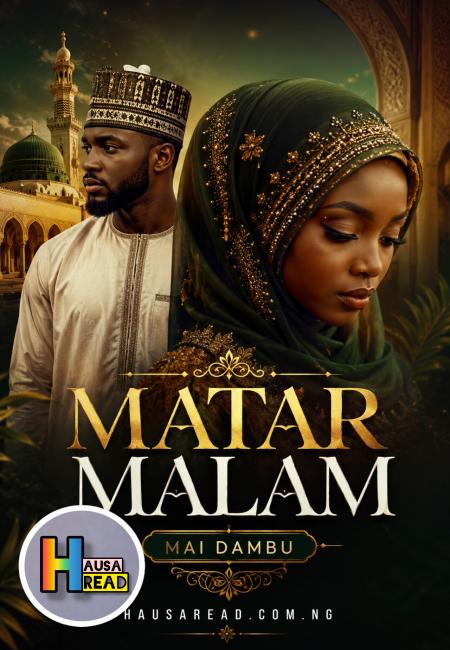 FreeFree
Description
Book Title/Subject: Matar Malam (The Malam's Wife)
Author: Mrs. Fulani (Real MaiDambu Ce)
1. Summary
The story centers on Naiha Ibrahim Daura, a sixteen-year-old girl described as physically mature for her age, who struggles with teenage rebellion, arrogance, and moral waywardness. Living in a strict household where she feels misunderstood, Naiha constantly clashes with her elders, her stepmother (Innaji), and her brother (Yaya Ishaq) over her provocative dressing and rude behavior.
Naiha is involved in a secret relationship with a young man named Ashow. Her behavior consistently draws the ire of the community, particularly the local religious leader, Imam Usman, who constantly advises her to repent. Throughout the narrative, Naiha faces disciplinary actions at school, constant reprimands from her family, and malicious rumors. The excerpt culminates in a dramatic revelation where Naiha discovers that her "friend," Baby, has been orchestrating her downfall and spreading rumors about her, leading to a confrontation that ends with Naiha being involved in a severe car accident.
2. Description
- Genre: Contemporary Hausa domestic drama / Moral fiction.
- Style: Written in a casual, conversational Hausa dialect, typical of modern Littattafan Hausa (Hausa novels). It utilizes dialogue extensively to drive the conflict.
- Setting: A Hausa community, specifically focusing on the interactions around a neighborhood majalisi (a place for religious gathering) and a local school.
- Key Characters:
- Naiha: The protagonist; headstrong, rebellious, and unapologetic.
- Imam Usman: The voice of moral authority who serves as a recurring mentor/antagonist to Naiha’s behavior.
- Baby: Naiha’s "friend" who secretly harbors jealousy and acts as an antagonist, orchestrating plots against her.
Innaji & Yaya Ishaq: Family members attempting to enforce discipline and traditional values.
3. Analytics
- Thematic Focus: The story explores the "Generation Gap" and the crisis of adolescence. It highlights the tension between traditional/religious values (kunya/mutunci) and the Westernized/rebellious behavior adopted by some modern youth.
- Character Development: Naiha is a complex anti-heroine. The author depicts her not as inherently "evil," but as a victim of her own immaturity, external peer pressure, and a lack of proper guidance. Her defiance often masks her vulnerability.
- Pacing & Conflict: The plot moves rapidly, characterized by "micro-conflicts" (arguments in the streets, school disciplinary issues, family confrontations). This maintains a high level of tension, keeping the reader engaged with the protagonist's chaotic life.
Narrative Device: The author uses "Imam Usman" as a moral compass to provide commentary on the societal decay the protagonist represents, creating a binary of Discipline vs. Rebellion.
Notes for the User
This excerpt appears to be from a popular genre of Hausa fiction written for digital platforms (like WhatsApp groups). The writing is characterized by its focus on social commentary regarding the conduct of young women, the role of parents, and the influence of friendship.