Gishirin Zaman Duniya (translated metaphorically as The Salt of Lifelong Marriage) by Badi'at Ibrahim is a hallmark work of contemporary Hausa socio-domestic fiction. Operating within the literary framework of littattafan so soyayya (Hausa romantic and social novels) while anchoring itself heavily in realist traditions, the novel utilizes a true-life narrative approach to critique patriarchal structures and cultural dogmas prevalent in Northern Nigerian society.
Thematic Landscape
The Paradox of Female Empowerment: The narrative zeroes in on the paradox faced by modern Northern women: society encourages girl-child education up to a point, but fiercely penalizes women who achieve financial autonomy, professional status (such as civil service or healthcare employment), and intellectual independence. Sadiya’s professional title as an anguwar zoma healthcare worker becomes a scarlet letter to her paternal family, who weaponize her success against her.
The Institution of Marriage as a Control Mechanism: The novel dissects how extended families manipulate marital institutions. Sadiya’s plight highlights forced marriages (auren dole), where a mature, 35-year-old professional woman is treated as a commodity to be traded, punished, or hidden away to appease conservative male egos.
Generational and Ideological Warfare: The friction is deeply split along ideological lines. On one side are patriarchal traditionalists like Uncle Sulaiman, Uncle Bala, and Yaya Asabe, who believe a woman's ultimate submission is her total erasure. On the other side are progressive figures like Goggo Hansatu and Sadiya’s mother, Aisha, who fight to preserve female dignity through education.
Stylistic Features
Emotional Realism: Badi'at Ibrahim employs visceral sensory descriptions—from the physical crushing of Sadiya's fever to the silent tears of her mother—making the psychological toll of betrayal palpable.
Cultural Authenticity: The text is rich with traditional Northern Nigerian cultural markers: bridal preparations (jere), wedding cancellations (fasa aure), regional social hierarchies, the weight of paternal lineage (dangiyar uba), and the emotional weight of maternal sacrifice.
Expanded Summary
The excerpt spans chapters 3 and 4 of Part One, tracking a catastrophic pivot in Sadiya’s life from celebration to deep psychological subjugation.
Phase 1: The Illusion of Celebration
The narrative opens in Kano on February 7, 2010. Sadiya, at thirty-five, stands on the threshold of what she hopes is a fresh start. Surrounded by her colleagues from the healthcare sector and close friends (including Amina and Hadiza who traveled from Katsina), she is dressed in vibrant green-and-milk atamfa. Despite past relationship failures, her joy is palpable.
Phase 2: The Double Betrayal
The celebratory mood shatters when Amina discovers a printed calendar revealing that Sadiya's groom, Ahmad, is simultaneously marrying her friend Fatima on the exact same date. Before Sadiya can process this heartbreak, a deeper institutional betrayal unfolds. Her paternal uncles (Sulaiman and Bala) and aunt (Yaya Asabe)—who resent Sadiya’s advanced degrees, government salary, and independent worldview—unilaterally cancel her wedding to Ahmad.
Phase 3: The Forced Substitution
To punish Sadiya’s mother (Aisha) for defying family wishes and prioritizing education over early marriage, the uncles orchestrate a humiliating substitution. They force Sadiya into an arranged marriage with her younger cousin, Aliyu (K'usar Yaki), a religious student studying in Medina who is nearly five years her junior and whom she has barely met. Despite fierce opposition from Goggo Hansatu, who defends Sadiya's right to her career and bodily autonomy, the marriage is solemnized under duress.
Phase 4: Acceptance and Resilience
Sadiya is left to grapple with the reality of being a married woman bound by three strict divorce ties (saki uku), stripped of her agency, and expected to relocate to a rural village. When confronted by her mother, Sadiya displays remarkable emotional maturity. Instead of breaking under the weight of injustice, she accepts her fate as k'addara (destiny) while vowing to transform her suffering into a mission: she will use her education to uplift village women, treating knowledge not as a curse, but as the true salt of lifelong marriage.
Expanded Analytics
1. Structural & Narrative Metrics
Literary Subgenre: Social Realism / Domestic Drama / True-Life Adaptation (True Life Story).
Narrative Arc: Rapid transition from Climax/Inciting Incident (The double wedding betrayal) to Falling Action/Internal Resolution (Acceptance of forced destiny and re-allocation of purpose).
Temporal Anchor: February 7, 2010 (A fixed historical/narrative marker in Kano, Nigeria).
2. Character Dynamics & Power Matrix
Character
Role / Archetype
Motivations & Psychological Drivers
Sadiya
Protagonist / Educated Victim
Seeks love, professional fulfillment, and respect; yields to maternal duty and destiny while retaining intellectual resilience.
Mama (Aisha)
Protective Mother / Former Vanguard
Protects her daughter from total isolation; torn between upholding family peace and mourning the death of her daughter's aspirations.
Uncle Sulaiman & Bala
Patriarchal Enforcers
Driven by ego, male dominance, and the desire to punish independent women who step out of traditional bounds.
Yaya Asabe
Traditionalist Matriarch
harbors deep-seated grudges against Aisha; views educated working women as moral hazards ("yan bariki").
Goggo Hansatu
Progressive Ally
Serves as the voice of modern feminism and institutional rights within the family structure.
Aliyu (K'usar Yaki)
The Absent Groom
Symbolizes the pawn used by elders to anchor a modern, educated woman into a regressive rural lifestyle.
3. Core Sociological Takeaways
The Stigma of Age and Independence: The text highlights how society weaponizes a woman's age (35) and financial status to pressure her into accepting substandard or coercive marital arrangements out of fear of permanent spinsterhood (kwantai).
The Metaphor of Salt (Gishirin Zaman Duniya): Education is framed as the essential seasoning that sustains human life and society; hiding or suppressing it starves communities of progress, mirroring how oppressive traditions starve women of fulfillment.










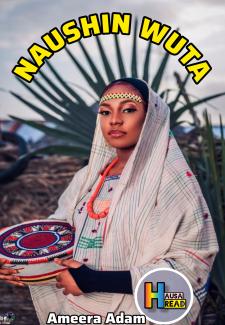















Expanded Description
Gishirin Zaman Duniya (translated metaphorically as The Salt of Lifelong Marriage) by Badi'at Ibrahim is a hallmark work of contemporary Hausa socio-domestic fiction. Operating within the literary framework of littattafan so soyayya (Hausa romantic and social novels) while anchoring itself heavily in realist traditions, the novel utilizes a true-life narrative approach to critique patriarchal structures and cultural dogmas prevalent in Northern Nigerian society.
Thematic Landscape
Stylistic Features
Expanded Summary
The excerpt spans chapters 3 and 4 of Part One, tracking a catastrophic pivot in Sadiya’s life from celebration to deep psychological subjugation.
Phase 1: The Illusion of Celebration
The narrative opens in Kano on February 7, 2010. Sadiya, at thirty-five, stands on the threshold of what she hopes is a fresh start. Surrounded by her colleagues from the healthcare sector and close friends (including Amina and Hadiza who traveled from Katsina), she is dressed in vibrant green-and-milk atamfa. Despite past relationship failures, her joy is palpable.
Phase 2: The Double Betrayal
The celebratory mood shatters when Amina discovers a printed calendar revealing that Sadiya's groom, Ahmad, is simultaneously marrying her friend Fatima on the exact same date. Before Sadiya can process this heartbreak, a deeper institutional betrayal unfolds. Her paternal uncles (Sulaiman and Bala) and aunt (Yaya Asabe)—who resent Sadiya’s advanced degrees, government salary, and independent worldview—unilaterally cancel her wedding to Ahmad.
Phase 3: The Forced Substitution
To punish Sadiya’s mother (Aisha) for defying family wishes and prioritizing education over early marriage, the uncles orchestrate a humiliating substitution. They force Sadiya into an arranged marriage with her younger cousin, Aliyu (K'usar Yaki), a religious student studying in Medina who is nearly five years her junior and whom she has barely met. Despite fierce opposition from Goggo Hansatu, who defends Sadiya's right to her career and bodily autonomy, the marriage is solemnized under duress.
Phase 4: Acceptance and Resilience
Sadiya is left to grapple with the reality of being a married woman bound by three strict divorce ties (
saki uku), stripped of her agency, and expected to relocate to a rural village. When confronted by her mother, Sadiya displays remarkable emotional maturity. Instead of breaking under the weight of injustice, she accepts her fate as k'addara (destiny) while vowing to transform her suffering into a mission: she will use her education to uplift village women, treating knowledge not as a curse, but as the true salt of lifelong marriage.Expanded Analytics
1. Structural & Narrative Metrics
2. Character Dynamics & Power Matrix
3. Core Sociological Takeaways