HR
HR FreeFree
Description
Comprehensive Breakdown & Analytics
Extended Narrative Description
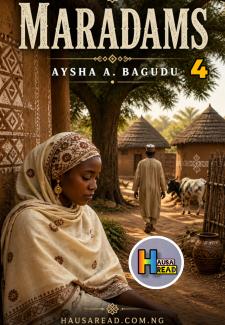
The narrative serves as a poignant social critique and psychological portrait deeply embedded in contemporary Northern Nigerian domestic fiction (littattafan soyayya). It dissects the volatile intersection of socioeconomic class, patriarchal entitlement, and moral decay.
- The Illusion of Romantic Autonomy: Balaraba’s arc highlights the vulnerability of young women who romanticize surface-level charm and wealth over deep-rooted character. Her initial defiance of her mother’s prophetic warnings symbolizes the universal youth struggle against generational wisdom, ending in a high-stakes cautionary tragedy.
- The Dual Faces of Urban Class Structures: The story sharply contrasts two environments: Aliyu’s sterile, hyper-luxurious, and emotionally bankrupt dominion versus the modest, spiritually rich sanctuaries of Baba Musa's compound and Malam Ahmadu's family home. True humanity and empathy are found exclusively among the working-class characters, while cruelty thrives in affluence.
Resilience in Trauma: Balaraba's transformation—from a shattered, weeping victim to a woman possessing the self-respect to physically strike back at her abuser—marks a vital thematic shift. It moves the narrative away from passive victimization toward an empowering reclamation of agency, heavily supported by her brother Hamza's psychological grounding and her family's unconditional safety net.
In-Depth Literary Analytics
- Character Archetypes:
- The Narcissistic Abuser (Aliyu): Embodies the unchecked privilege of wealthy offspring whose misbehavior is enabled by generational wealth and patriarchal shielding.
- The Tragic Heroine (Balaraba): Represents purity, loyalty, and emotional resilience under extreme psychological pressure.
- The Wise Confidant (Hamza): Acts as the moral compass and stabilizing anchor, bridging emotional intelligence with protective brotherly duty.
- Symbolism:
- The Midnight Expulsion: Represents emotional darkness, sudden abandonment, and the severing of false ties.
- The Slap: A catalytic moment of physical resistance and boundary enforcement, shattering Aliyu's absolute invulnerability.
- The Unborn Child: A dual symbol of trauma (initially rejected by both Aliyu and a momentarily grief-stricken Balaraba) and ultimate future redemption/survival.
Pacing and Tone: The pacing accelerates during high-conflict emotional outbursts (the midnight argument and physical altercation) and slows down during reflective, therapeutic dialogues (Hamza's counseling and Ubaida's quiet hospitality). The tone shifts rapidly from suffocating despair to cautious optimism.
Summary and Analytics Overview Table
CategoryKey Details & ElementsPlot SummaryBalaraba is ruthlessly abandoned and divorced in the middle of the night by her wealthy husband, Aliyu, after she becomes pregnant. Sheltered by kind strangers (Baba Musa and Ubaida), she returns to her loving family (Malam Ahmadu, Iya, and Hamza), who help her process her trauma and reject thoughts of abortion. Meanwhile, Aliyu returns to his affluent home unbothered, casually announcing his cruelty to his mother, setting up an inevitable reckoning.Primary ConflictMarital betrayal, class exploitation, emotional abuse, and the struggle of a young, pregnant woman discarded by an entitled partner seeking to reclaim her dignity.Core ThemesClass disparity, the consequences of ignoring parental wisdom, empathy versus entitlement, female resilience, and the healing power of family support.Key Settings1. Aliyu’s luxurious duplex (the site of emotional and physical abuse).
- Baba Musa's modest compound (a sanctuary of accidental hospitality).
- Malam Ahmadu's working-class family home (the emotional anchor and safe haven). |
| Character Dynamics | Balaraba shifts from submissive affection to fierce self-protection; Aliyu transitions from hidden malice to overt, unrepentant tyranny; Hamza and Ubaida provide essential emotional and physical scaffolding for Balaraba's recovery. |
| Narrative Style | Contemporary domestic Hausa drama featuring rich dialogue, deep psychological introspection, traditional social etiquette, and moral instruction. |