HR
HR FreeFree
Description
Overview)
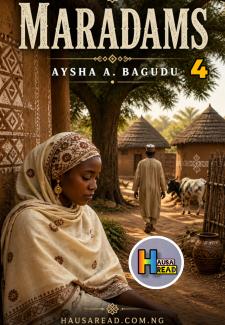
The excerpt highlights the dramatic turn of events in the life of Malam Sabo and his wives, specifically focusing on Zuwaira’s shift from poverty to sudden, unexplained wealth. Simultaneously, it covers the emotional and health struggles of Ammar, his wife Salma, and his lover/caregiver Affanan, as well as the tragic consequences of betrayal and immorality involving characters like Garba and Jidda.
Summary of the Story
- Zuwaira’s Transformation: Zuwaira suddenly becomes wealthy and begins living a lavish lifestyle, confusing her husband, Malam Sabo. She mocks the other wives (Fati and Asabe) and shows independence, while maintaining a secretive life.
- Tragedy at Home: Fati, one of Malam Sabo's wives, dies during childbirth due to complications and neglect, as Malam Sabo was not present.
- Ammar’s Crisis: Ammar is hospitalized, and his health deteriorates due to the stress caused by his wife, Salma, and his affection for Affanan, who is caring for him. Affanan eventually confesses her love for Ammar, and they plan to marry, leaving Salma devastated.
Consequences for Garba and Jidda: Garba is confronted by his father for his wicked deeds, including the abuse of his own daughter, which led to her illness and social isolation. Jidda, another victim, faces rejection from her family and dies in regret. The story concludes with legal actions being taken against those who committed betrayal and abuse, leaving the families in disgrace.
Description & Themes
- Genre: Domestic Drama / Moral Cautionary Tale.
- Central Themes:
- The Consequences of Immorality: The story heavily emphasizes the idea that "what goes around comes around." Characters who commit zina (adultery) or betray family trust face severe social and spiritual consequences.
- Marital Conflict: The tension between co-wives and the struggles of unhappy marriages are central to the plot.
- Betrayal of Trust: The story explores the deep pain caused by betrayal, particularly from those who should be protectors (e.g., the fathers in the story).
Hope and Redemption: Characters like Affanan represent virtue, patience, and the ability to find a way out of toxic situations.
Analytics/Evaluation
- Pacing: The narrative moves very fast, transitioning between several unrelated domestic crises in a short span. This is common in Hausa "Littattafan Soyayya" (Romance/Drama books).
- Tone: The tone is didactic and cautionary. The author uses the characters to warn readers about the dangers of greed, illicit affairs, and poor parenting.
- Writing Style: The writing is informal and conversational, intended to engage the reader emotionally through shock value (e.g., the dramatic confrontation scenes).
- Cultural Context: The book relies heavily on Hausa cultural nuances, such as the dynamics of polygyny, the importance of "kunya" (shame/propriety), and the social stigma attached to specific sins like zina and betrayal of family honor.