African Superfoods: Ancient Secrets to Longevity and Modern Wellness Introduction:
The Return to Ancestral Nutrition In an era dominated by processed foods and synthetic supplements, the global health community is turning its eyes toward the African continent. For centuries, the indigenous tribes of Sub-Saharan Africa, particularly within the Hausa kingdoms, have maintained peak physical health and longevity through a diet rich in "Superfoods." These are not just meals; they are medicine. As chronic diseases rise in the West, understanding these ancient nutritional secrets offers a blueprint for a healthier, more vibrant life.
Moringa Oleifera: The "Miracle Tree" of the Sahel Known as Zogale in Hausa, Moringa is perhaps the most nutrient-dense plant on the planet. While the West is just discovering Moringa powder, it has been a staple in African households for generations.
The Nutritional Profile: Moringa leaves contain 7 times more Vitamin C than oranges, 4 times more Calcium than milk, and 3 times more Potassium than bananas.
Scientific Benefits: Studies published in the Journal of Food Science and Technology highlight its ability to regulate blood sugar levels, making it a natural ally against Type 2 Diabetes.
Traditional Use: In Northern Nigeria, Moringa is often steamed and mixed with groundnut cake (Kuli-kuli), creating a high-protein, anti-inflammatory meal that sustains farmers through long days of labor.
Tiger Nuts (Aya): The Prebiotic Powerhouse Despite the name, Tiger Nuts (known as Aya) are small tubers. They were even found in the tombs of Egyptian Pharaohs, highlighting their ancient value.
Gut Health and Digestion: Tiger nuts are one of the best sources of resistant starch, a type of prebiotic fiber that feeds the "good" bacteria in your gut.
Heart Health: They are rich in Vitamin E and oleic acid (the same healthy fat found in olive oil), which helps reduce LDL (bad) cholesterol.
The "Milk" Alternative: Kunun Aya (Tiger Nut Milk) is a lactose-free, nutrient-rich beverage that serves as a natural energy booster and aphrodisiac, supporting reproductive health without the side effects of modern stimulants.
Baobab Fruit (Kuka): The King of Antioxidants The majestic Baobab tree, often called the "Tree of Life," produces a fruit pulp that naturally dries on the branch. This powder (Garin Kuka) is a nutritional goldmine.
Immune System Support: With an antioxidant capacity ten times higher than blueberries, Baobab helps protect cells from oxidative stress and aging.
Weight Management: The high fiber content in Baobab promotes satiety (feeling full), which can help in natural weight loss journeys common in Western fitness trends.
The "Social Wellness" Factor: Longevity Beyond Food Longevity in Africa isn't just about what you eat; it’s about how you live. The concept of the "Extended Family" and community gatherings (Majalisa) provides a psychological safety net that is often missing in the isolated, high-stress environments of Europe and America.
Reducing Cortisol: Constant social interaction and communal support systems naturally lower cortisol (the stress hormone), which is a leading cause of heart disease in the West.
Purposeful Aging: In African traditions, elders are revered as libraries of wisdom. This sense of purpose keeps the mind sharp and wards off dementia and depression. Conclusion: Integrating African Wisdom into Modern Life Integrating African superfoods like Moringa, Tiger Nuts, and Baobab into a daily routine is more than a diet—it’s a return to the roots of human health. For the modern European or American consumer, these ingredients offer a sustainable, organic, and powerful way to combat the ailments of the 21st century.
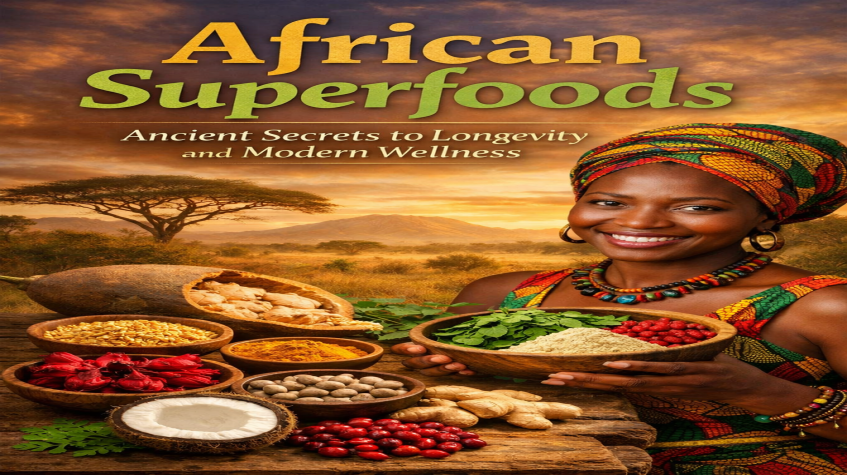

African Superfoods: Ancient Secrets to Longevity and Modern Wellness
Introduction:
The Return to Ancestral Nutrition
In an era dominated by processed foods and synthetic supplements, the global health community is turning its eyes toward the African continent. For centuries, the indigenous tribes of Sub-Saharan Africa, particularly within the Hausa kingdoms, have maintained peak physical health and longevity through a diet rich in "Superfoods." These are not just meals; they are medicine. As chronic diseases rise in the West, understanding these ancient nutritional secrets offers a blueprint for a healthier, more vibrant life.
Known as Zogale in Hausa, Moringa is perhaps the most nutrient-dense plant on the planet. While the West is just discovering Moringa powder, it has been a staple in African households for generations.
Despite the name, Tiger Nuts (known as Aya) are small tubers. They were even found in the tombs of Egyptian Pharaohs, highlighting their ancient value.
The majestic Baobab tree, often called the "Tree of Life," produces a fruit pulp that naturally dries on the branch. This powder (Garin Kuka) is a nutritional goldmine.
Longevity in Africa isn't just about what you eat; it’s about how you live. The concept of the "Extended Family" and community gatherings (Majalisa) provides a psychological safety net that is often missing in the isolated, high-stress environments of Europe and America.
Purposeful Aging: In African traditions, elders are revered as libraries of wisdom. This sense of purpose keeps the mind sharp and wards off dementia and depression.
Conclusion: Integrating African Wisdom into Modern Life
Integrating African superfoods like Moringa, Tiger Nuts, and Baobab into a daily routine is more than a diet—it’s a return to the roots of human health. For the modern European or American consumer, these ingredients offer a sustainable, organic, and powerful way to combat the ailments of the 21st century.