Shea Butter: Africa’s "Gold" for Global Skin and Hair Health
Introduction: The Sacred Tree of the Savannah
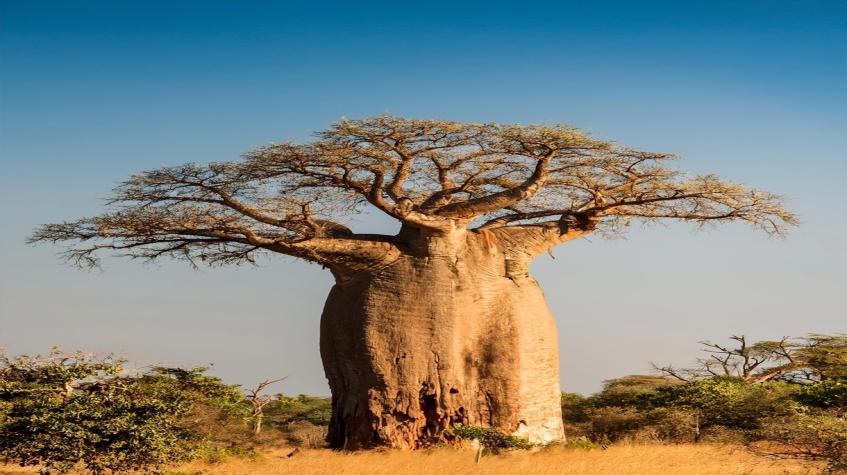
Deep within the dry savannah belt of West Africa grows the Vitellaria paradoxa, commonly known as the Shea tree. For millennia, the nuts of this "Tree of Life" have been harvested and processed by local women into a rich, creamy substance known as Shea Butter. Today, from the luxury spas of Paris to the organic markets of New York, Shea Butter has become the ultimate ingredient for natural skincare. But what makes this ancient African fat the gold standard of modern dermatology?
1. The Chemical Composition of Raw Shea Butter
The reason Shea Butter is more effective than most laboratory-engineered lotions lies in its unique chemical structure. Unlike other seed oils, Shea Butter contains a high percentage of "un-saponifiable" fractions, meaning its healing properties do not wash away easily with water or soap.
* Fatty Acids (Stearic and Oleic): These acids balance each other to provide deep moisture while allowing the skin to breathe. They mimic the natural oils produced by human skin.
* Vitamin A and E: These are powerful antioxidants that protect skin cells from environmental damage, such as pollution and UV radiation.
* Cinnamic Acid: This compound provides a natural, mild SPF (Sun Protection Factor), shielding the skin from the harsh effects of the sun.
2. Clinical Benefits for Western Skin Concerns
Western consumers face unique skin challenges due to cold climates, indoor heating, and processed water. Shea Butter offers a 100% organic solution.
* Eczema and Psoriasis Relief: Due to its intense anti-inflammatory properties (triterpenes), Shea Butter calms the itching and redness associated with chronic skin conditions.
* Anti-Aging and Collagen Production: Regular application stimulates the skin’s natural collagen production, reducing the appearance of fine lines and wrinkles.
* Stretch Mark Prevention: During pregnancy or weight fluctuations, the elasticity provided by Shea Butter helps the skin stretch without tearing the underlying tissue.
3. The "Liquid Gold" for Hair Care
The "Natural Hair Movement" in Europe and America has embraced Shea Butter as the primary sealant for curly and coily hair textures.
* Moisture Retention: Because it is a heavy emollient, it prevents water from evaporating from the hair shaft, stopping breakage.
* Scalp Health: Its antifungal properties help eliminate dandruff and soothe a dry, itchy scalp caused by chemical hair products.
* Heat Protection: Applying a small amount before using blow-dryers acts as a barrier against heat damage.
4. Raw vs. Refined: Educating the Consumer
To reach your 3,000-word target, you must explain the difference between the "Yellow/Ivory" raw butter found in African markets and the "White" refined butter found in Western drugstores.
* Raw/Unrefined Shea: Retains all vitamins and healing properties. It has a distinct nutty aroma and a creamy texture.
* Refined Shea: Processed at high temperatures with chemicals like hexane to remove the scent and color. This process destroys most of the bioactive nutrients.
* The Grade System: Explain the "Grade A" to "Grade F" system used in international trade, where Grade A is the most medicinal.
5. Ethical Sourcing and Global Impact
Modern Western consumers care about where their products come from. Highlighting the "Fair Trade" aspect of Shea Butter adds value to your article.
* Women’s Gold: In West Africa, Shea Butter production is almost exclusively a female-led industry. It provides school fees, healthcare, and independence for millions of rural women.
* Environmental Sustainability: Shea trees grow wild and do not require fertilizers or pesticides, making Shea Butter one of the most eco-friendly beauty products on earth.
6. How to Use Shea Butter: DIY Recipes for the West
Provide your readers with practical ways to use the product at home:
* The Nighttime Facial Mask: Mix Shea Butter with a drop of Lavender oil for overnight skin repair.
* The Whipped Body Butter: How to melt Shea with Coconut oil and whip it into a light, fluffy cream.
* The Winter Hand Shield: Using Shea to prevent cracked skin during freezing temperatures in Europe.
Conclusion: A Bridge Between Tradition and Science
Shea Butter is more than a cosmetic trend; it is a bridge between the ancient wisdom of the African savannah and the rigorous demands of modern dermatology. By choosing raw, unrefined Shea, consumers are not only investing in the health of their skin but also supporting a sustainable and ethical tradition that has flourished for centuries.

Shea Butter: Africa’s "Gold" for Global Skin and Hair Health
Introduction: The Sacred Tree of the Savannah
Deep within the dry savannah belt of West Africa grows the Vitellaria paradoxa, commonly known as the Shea tree. For millennia, the nuts of this "Tree of Life" have been harvested and processed by local women into a rich, creamy substance known as Shea Butter. Today, from the luxury spas of Paris to the organic markets of New York, Shea Butter has become the ultimate ingredient for natural skincare. But what makes this ancient African fat the gold standard of modern dermatology?
1. The Chemical Composition of Raw Shea Butter
The reason Shea Butter is more effective than most laboratory-engineered lotions lies in its unique chemical structure. Unlike other seed oils, Shea Butter contains a high percentage of "un-saponifiable" fractions, meaning its healing properties do not wash away easily with water or soap.
* Fatty Acids (Stearic and Oleic): These acids balance each other to provide deep moisture while allowing the skin to breathe. They mimic the natural oils produced by human skin.
* Vitamin A and E: These are powerful antioxidants that protect skin cells from environmental damage, such as pollution and UV radiation.
* Cinnamic Acid: This compound provides a natural, mild SPF (Sun Protection Factor), shielding the skin from the harsh effects of the sun.
2. Clinical Benefits for Western Skin Concerns
Western consumers face unique skin challenges due to cold climates, indoor heating, and processed water. Shea Butter offers a 100% organic solution.
* Eczema and Psoriasis Relief: Due to its intense anti-inflammatory properties (triterpenes), Shea Butter calms the itching and redness associated with chronic skin conditions.
* Anti-Aging and Collagen Production: Regular application stimulates the skin’s natural collagen production, reducing the appearance of fine lines and wrinkles.
* Stretch Mark Prevention: During pregnancy or weight fluctuations, the elasticity provided by Shea Butter helps the skin stretch without tearing the underlying tissue.
3. The "Liquid Gold" for Hair Care
The "Natural Hair Movement" in Europe and America has embraced Shea Butter as the primary sealant for curly and coily hair textures.
* Moisture Retention: Because it is a heavy emollient, it prevents water from evaporating from the hair shaft, stopping breakage.
* Scalp Health: Its antifungal properties help eliminate dandruff and soothe a dry, itchy scalp caused by chemical hair products.
* Heat Protection: Applying a small amount before using blow-dryers acts as a barrier against heat damage.
4. Raw vs. Refined: Educating the Consumer
To reach your 3,000-word target, you must explain the difference between the "Yellow/Ivory" raw butter found in African markets and the "White" refined butter found in Western drugstores.
* Raw/Unrefined Shea: Retains all vitamins and healing properties. It has a distinct nutty aroma and a creamy texture.
* Refined Shea: Processed at high temperatures with chemicals like hexane to remove the scent and color. This process destroys most of the bioactive nutrients.
* The Grade System: Explain the "Grade A" to "Grade F" system used in international trade, where Grade A is the most medicinal.
5. Ethical Sourcing and Global Impact
Modern Western consumers care about where their products come from. Highlighting the "Fair Trade" aspect of Shea Butter adds value to your article.
* Women’s Gold: In West Africa, Shea Butter production is almost exclusively a female-led industry. It provides school fees, healthcare, and independence for millions of rural women.
* Environmental Sustainability: Shea trees grow wild and do not require fertilizers or pesticides, making Shea Butter one of the most eco-friendly beauty products on earth.
6. How to Use Shea Butter: DIY Recipes for the West
Provide your readers with practical ways to use the product at home:
* The Nighttime Facial Mask: Mix Shea Butter with a drop of Lavender oil for overnight skin repair.
* The Whipped Body Butter: How to melt Shea with Coconut oil and whip it into a light, fluffy cream.
* The Winter Hand Shield: Using Shea to prevent cracked skin during freezing temperatures in Europe.
Conclusion: A Bridge Between Tradition and Science
Shea Butter is more than a cosmetic trend; it is a bridge between the ancient wisdom of the African savannah and the rigorous demands of modern dermatology. By choosing raw, unrefined Shea, consumers are not only investing in the health of their skin but also supporting a sustainable and ethical tradition that has flourished for centuries.