HR
 FreeFree
Description
About
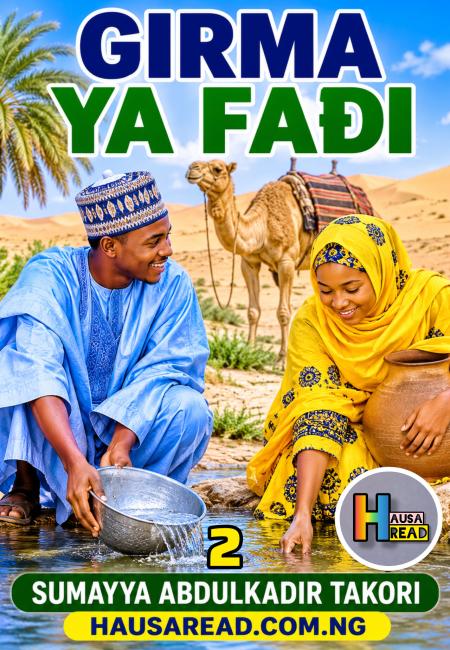
Girma Ya Fadi 2 (Pride Has Fallen, Vol. 2) is a deeply engaging, emotionally charged contemporary Hausa novel that explores the complex intersections of youth, societal expectations, academic integrity, family honor, and intense, unspoken romance in Northern Nigeria. It delves into the daily lives, pressures, and secret vulnerabilities of teenagers and young adults navigating school life, tradition, and modern temptations.
Purpose
The novel serves as both a gripping piece of literary fiction and a moral mirror for contemporary society. It aims to:
- Examine Academic Integrity: Highlight the pressures of examination malpractice in secondary and higher education and the toll it takes on students and teachers alike.
- Critique Social Dynamics: Expose generational clashes, the influence of peer pressure, and the shifting boundaries of morality in modern northern communities.
- Explore Emotional Vulnerability: Portray the raw, consuming nature of first love, jealousy, family loyalty, and personal redemption.
Why Is the Book Called "Girma Ya Fadi"?
The title translates roughly to "Pride Has Fallen" or "Honor Has Collapsed." Throughout the story, various characters—most notably proud authority figures, confident students, and protective elder brothers—find their ego, rigid worldviews, and social status humbled by unexpected emotional truths, public scandals, and family crises. It signifies how human pride and arrogance are ultimately dismantled by life's humbling realities.
Main Characters to Know
- Zaynab (Zaynabu-Abu / Kyautar Allah): The central protagonist. Intelligent and focused, yet caught in the turbulent crosscurrents of schoolyard drama, unwanted romantic pursuits, and family expectations.
- Imran (Ya Im): Zaynab’s protective, intensely jealous, and emotionally complex older brother figure. His fierce possessiveness and silent internal struggles drive much of the plot's romantic tension.
- Malam Ali & Baba Sa'idu: Respected elder figures representing traditional values, religious consciousness, and the heavy burden of upholding family honor.
- Azizah & Iftihal: Zaynab’s close friends and confidantes who share in the daily trials of school life, romantic distractions, and academic shortcuts.
- GG: An persistent local suitor from the school environment whose comedic yet awkward romantic advances lead to public humiliation and intense family reactions.
- Mami: A central figure in Imran's life whose presence triggers intense jealousy and complex emotional reactions from Zaynab.
Reading Notes
- The Weight of Reputation: The narrative contrasts the strict moral expectations of older generations (such as Malam Ali’s stern lectures on tradition and virtue) with the casual, smartphone-driven realities of the younger generation.
- The Irony of Jealousy: Imran’s secretive affection for Zaynab manifests as harsh scolding and public overprotection, creating a cycle of misunderstanding and hidden heartache.
- Public Scrutiny: Small-town dynamics and school environments mean that personal actions—like accepting a ride on an achaba (commercial motorcycle) or talking to a teacher—quickly become public spectacles that threaten family honor.
Hausa Terms and Cultural Context
- Achaba: Commercial motorcycle used for public transportation.
- Malam: An honorific title for a teacher, scholar, or respected religious man.
- Alwala: Islamic ritual ablution performed before prayers.
- Magariba: The sunset Islamic prayer.
- Sauraro / Tsayarwa: Traditional courtship stages or periods of getting to know a suitor.
- Kishin Mba / Kishi: Romantic jealousy or possessiveness.
Questions the Story Raises
- Where is the line between healthy protection of younger siblings and toxic control?
- How do modern technological distractions (like mobile phones) alter traditional courtship and family oversight in Northern communities?
- Can traditional values of modesty and community honor survive the shifting academic and social pressures of contemporary schooling?
About the Author
Authored within the vibrant tradition of contemporary Hausa popular literature (Littattafai na Zamani), the writer captures the colloquial nuances, emotional depth, and cultural realities of northern Nigerian youth culture, blending moral instruction with high-drama romantic fiction.
What Makes This Page More Valuable Than a Translated Excerpt?
- Holistic Contextualization: Instead of dropping you into the middle of a chaotic scene, this guide maps out character motivations, cultural touchstones, and thematic undertones.
- Thematic Depth: It analyzes the deeper philosophical arguments presented by elder characters like Malam Ali, bridging the gap between entertaining drama and social commentary.
بسم الله الرحمن الرحيم
الحمد لله الذي خلق الإنسان وعلمه البيان، وجعل القلوب أسراراً لا تفتح إلا بمفتاح اليقين. والصلاة والسلام على من بعث هادياً ومبشراً ونذيراً، وعلى آله وصحبه ومن تبعهم بإحسان إلى يوم الدين.
أما بعد،
فإن الحياة رحلة مفعمة بالابتلاءات، مليئة بالمفارقات التي تختبر معادن الرجال والنساء. وما بين طيات الأيام، تتكشف حقائق النفوس، وتتضح معالم القلوب. فالتاريخ الإنساني ليس إلا سلسلة من المواقف التي يقف فيها الإنسان عاجزاً أمام قدره، تائهاً بين رغبات النفس الضالة ونداءات الضمير الحية.
إن الأدب الراقي، وخصوصاً ذاك الذي ينبع من واقع المجتمعات وينبض بهمومها، يعكس صراع الإنسان الأبدي بين الكبرياء والانكسار، بين التمسك بالأصول العريقة والانجراف خلف تيارات الحداثة الزائفة. وكثيراً ما نرى العقول تذبل تحت وطأة الجهل، والقلوب تتمزق بين مطرقة العاطفة وسندان الواجب.
ولقد أودع الله في الإنسان عقلاً يميز به، ووجداناً يشعر به، ولكنه مع ذلك يظل عرضة للخطأ والزلل. من هنا تأتي أهمية التوجيه، والعودة إلى الجذور، وتطهير النفس من أدران الغرور والظنون السيئة. فالعلاقات الإنسانية، على اختلاف أنواعها من أسرية واجتماعية، تحتاج إلى رعاية دائمة، وصبر جميل، وتغاضٍ عن الهفوات قبل أن تفوت الفرصة ويندم المرء لات حين مندم.
وختاماً، فإن العِبرة لمن اعتبر، والحكيم هو من اتعظ بتجارب غيره، وأدرك أن الأيام دول، وأن العاقبة للتقوى والصلاح. نسأل الله أن يرزقنا بصيرة تنير لنا درب الحق، وأن يصلح أحوالنا وأحوال المسلمين أجمعين.
والسلام عليكم ورحمة الله وبركاته.
Fassarar Ma'anarsa (Hausa Translation)
Da Sunan Allah Mai Rahama Mai Jin Kai
Godiya ta tabbata ga Allah wanda ya halicci mutum ya koya masa bayani, kuma ya sanya zuciya ta zama asirin da ba a budewa sai da mabudin yakini. Tsira da amincin Allah su tabbata ga wanda aka aiko a matsayin mai shiryarwa, mai bishara, kuma mai gargadi, da iyalan sa da sahabbansa da wadanda suka bi su da kyautatawa har ranar tashin kiyama.
Bayan haka:
Lalle ne rayuwa tafiya ce cike da jarabawa, mai cike da sabanin abubuwa da suke gwada ma'aunin mutane. A tsakanin duhun kwanaki, gaskiyar zuciya take bayyana, kuma alamomin zukata su fito fili. Tarihin dan Adam ba komai ba ne face jigo na abubuwan da mutum ke tsayawa a gaban su a matsayin mai rauni gaban kaddararsa, yana yawon yawo a tsakanin sha'awar zuciya da kiran hankali mai rai.
Tabbas, ingantaccen adabi – musamman wanda yake fitowa daga halin al'umma kuma yake bugawa da bugun damuwarsu – yana bayyana gwagwarmayar dan Adam ta har abada tsakanin girman kai da karyewa, tsakanin riko da asali na gari da kuma karkata zuwa ga ra'ayin zamani na batanci. Kuma a lokuta da yawa muna ganin hankula suna zubewa karkashin kason jahilci, kuma zukata suna yagewa tsakanin gudunmawar motsin zuciya da kuma nauyin dake kan mutum.
Lalle ne Allah ya sanya a cikin dan Adam hankali wanda yakeban banbanci da shi, da kuma zuciyar da take ji da ita, amma duk da haka yana kan hatsarin kuskure da zube wa. Daga nan ne muhimmancin gargadi da komawa ga asali da tsarkake zuciya daga datti na girman kai da zargin banza yake fitowa. Haka nan dangantakar mutane, koda ta kasance ta iyali ko ta zamantakewa, tana bukatan kulawa ta har abada, da hakuri mai kyau, da yin watsi da kura-kurai kafin lokaci ya kure kuma mutum ya yi nadamar da ba za ta amfane shi ba.
Daga karshe, abin lura ga mai lura ne, kuma mai hikima shi ne wanda ya karbi darasi daga gwajin wasu, kuma ya gane cewa kwanaki suna jujjuyawa, kuma karshe ta tabbata ne ga tsoron Allah da kyakkyawan aiki. Muna rokon Allah Ya azurta mu da basirar da za ta haskaka mana hanyar gaskiya, kuma Ya gyara mana al'amuranmu gaba daya.
Wassalamu alaikum warahmatullah wabarakatuh.