HR
 FreeFree
Description
Purpose
To entertain and enlighten readers through a humorous Hausa story ("Dijeh Gidan Ƙwarƙwata") while capturing local village life, vibrant cultural traditions, and uniquely stubborn, larger-than-life fictional personalities.
About
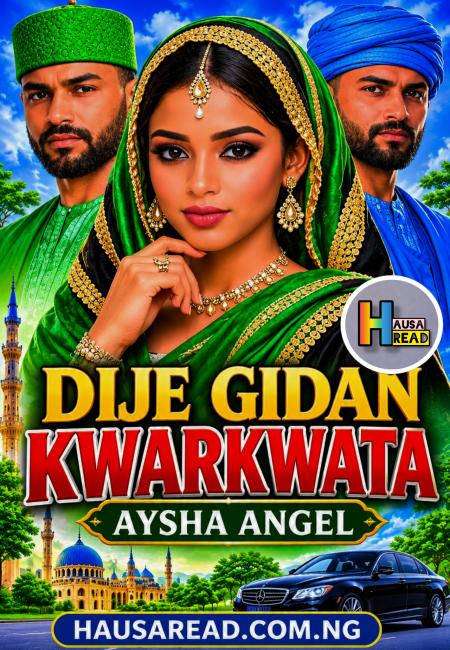
- Title: Dijeh Gidan Ƙwarƙwata (Labarin Dijeh Amaryar Jafar)
- Author: Aysher Angel (Marubuciyar Matar Bello, Zane akan Ruwa, etc.)
- Genre: Hausa Fiction / Comedy / Satirical Romance & Village Life
- Format: Serialized book (Free web release with paid options for complete books 1 through 4)
Why Is the Book Called...
The book is named after its unapologetic, eccentric main character, Dijeh, whose notorious personal hygiene habits have earned her the neighborhood moniker "Gidan Ƙwarƙwata" (The House of Lice / Queen of Lice). Rather than being ashamed of the constant company of head lice, Dijeh fiercely embraces them as her loyal "family," claiming that washing her body with water strips away her physical strength. Her bizarre philosophy and fierce, confrontational attitude set off a chain of comedic chaos wherever she goes.
Main Characters to Know
- Dijeh (Gidan Ƙwarƙwata): The protagonist—strong as an ox, fiercely defensive of her lice, proud of her lack of hygiene, and determined to marry a rich city man to escape pounding tough local tuwo.
- Jamila: A sharp-tongued neighbor and bystander who frequently teases Dijeh, sets up hilarious challenges (like chasing the elusive rooster for cash), and reacts with utter amazement to Dijeh's antics.
- Tsohuwa Tasallah: An elder in the community who constantly complains about the village's eccentricities, smells, and chaotic happenings, while dodging Dijeh's intrusive visits.
- Asabe: A local woman whose maize-drying process is completely ruined when Dijeh and a runaway rooster crash into her courtyard.
- Fati Kamshi: A local vendor selling perfumes, soaps, and lice treatments who inadvertently triggers Dijeh’s defensiveness by trying to cure her "family."
- Auwalu & Lawalli: Local boys who dare to mock Dijeh's lice, only to learn the hard way that Dijeh possesses the strength of a wrestler and zero hesitation to pull off her foul-smelling headwrap (kallabi) in retaliation.
Reading Notes
- Tone & Humor: The narrative relies heavily on slapstick comedy, hyperbole (e.g., comparing the smell of unwashed hair to a pile of old onions or a dead chicken), and sharp verbal banter.
- Plot Progression: The opening chapters introduce the village setting and Dijeh’s stubborn refusal to bathe. This quickly spirals into a frantic, slapstick-heavy chase scene where Dijeh pursues a frantic rooster across the village for a meager twenty-naira reward, wreaking havoc in neighbors' compounds along the way.
- Themes: Social stigma versus stubborn self-acceptance, rural community gossip, generational clashes, and localized humor embedded in everyday Northern Nigerian village experiences.
Hausa Terms and Cultural Context
- Tuwo: A stiff, traditional Northern Nigerian staple food usually made from corn, millet, or sorghum flour, served with soup. Dijeh complains about its toughness ("yana cinsa yana cinka").
- Kallabi: A traditional headwrap or scarf worn by women. In Dijeh's hands, it becomes a terrifying weapon of mass disruption because of her threats to unwrap it and deploy her lice.
- Tabarma: A traditional woven mat used for sitting, resting, or drying grains like corn (nukan masara).
- Kwarkwata: Head lice. In the context of the story, Dijeh treats them with affectionate, humorous reverence, even giving them names like "Dabgara ƴar gidan Dabgaro."
Questions the Story Raises
- How does community gossip and public shaming shape or distort an eccentric individual like Dijeh?
- Is Dijeh’s fierce independence and refusal to conform a form of empowerment, or simply pure obstinacy?
- How do traditional village dynamics manage conflict when physical strength and threats override formal rules or social etiquette?
About the Author
Aysher Angel (also known as Marubuciyar Matar Aliyu) is a popular contemporary Hausa fiction writer recognized for her comedic, relatable, and fast-paced storytelling style. She has authored numerous serialized books, including Matar Bello, Zane akan Ruwa, Mugun Abu Jakada, and Kitso da Kwarkwata.
What Makes This Page More Valuable Than a Translated Excerpt?
- Cultural Authenticity: Preserves the original Northern Nigerian idioms, colloquialisms, and humor that machine translations often flatten or miss entirely.
- Contextual Breakdown: Organizes scattered serialized text into a structured, easily digestible literary guide with character breakdowns and thematic analysis.
- Preservation of Voice: Captures the distinct comedic cadence and emotional energy of contemporary Hausa Littattafan Soyayya (popular fiction) culture.
Recommended Public Page Order
- Purpose & About
- Why Is the Book Called...
- Main Characters to Know
- Hausa Terms and Cultural Context
- Reading Notes & Questions the Story Raises
- About the Author
- What Makes This Page More Valuable Than a Translated Excerpt?
Would you like me to continue summarizing or analyzing the subsequent pages of Dijeh's chaotic rooster chase and her journey toward marrying Jafar?