 HR
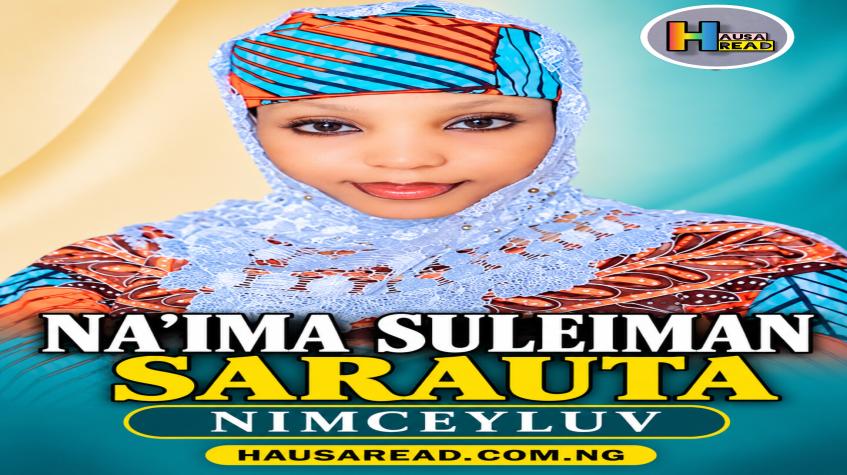
ECHOES OF SOVEREIGNTY & LITERARY RESISTANCE
A Comprehensive Monograph on the Life, Oeuvre, Critical Scholarship, and Cultural Impact of Na'ima Suleiman Sarauta
- Author: Academic & Literary Research Directorate
- Subject: Contemporary Hausa Popular Literature (Kannywood Literature / Novella Tradition)
- Document Type: Extended Monograph
Monograph Overview & Core Themes
- Biographical Foundation: Early life in Northern Nigeria, cultural lineage, and the adoption of the literary epithet "Sarauta" (Royalty/Sovereignty).
- Socio-Literary Epoch: Emergence within the contemporary Hausa romance and domestic prose movement (often broadly contextualized alongside Littattafan Soyayya).
- Thematic Architecture: Female agency, aristocratic traditions vs. modern egalitarianism, moral economy, power dynamics, and spiritual resilience.
- Critical Exegesis: Detailed analysis of major prose works, narrative techniques, character arcs, and stylistic innovations.
- Reader Reception & Institutional Impact: Fan clubs, digital communities, and active engagement within Northern Nigerian writers' associations (e.g., ANA, Hausa Writers Association).
1. Introduction: The Cultural Renaissance of Hausa Female Prose
The landscape of Northern Nigerian literature has undergone an extraordinary transformation over the past three decades. Historically dominated by classical oral poetry, Islamic scholastic treatises, and mid-twentieth-century male-authored prose legends, the Hausa literary sphere experienced a seismic shift with the rise of popular written fiction. Among the vibrant voices shaping this modern renaissance, Na'ima B. Suleiman Sarauta stands out as a formidable novelist, cultural commentator, and narrative strategist. Her writings bridge the delicate boundary between traditional Hausa socio-cultural values and the complex realities of modern female experience.
Writing primarily in Hausa—a language spoken by over eighty million people across West Africa and the diaspora—Na'ima B. Suleiman Sarauta has cultivated a distinctive literary persona. Her pen name, Sarauta (a Hausa term denoting royalty, authority, or sovereign reign), is not merely an identifier; it serves as a conceptual framework for her prose. Her novels explore themes of dignity, governance of the self, domestic statecraft, and the intricate balances of power within marriage, family structures, and community life.
This monograph offers an exhaustive critical examination of Na'ima Suleiman Sarauta's literary trajectory. It traces her biographical background, analyzes her thematic preoccupations, provides in-depth literary critiques of her prominent texts, evaluates her reader demography, and documents her contributions to literary associations in Nigeria.
2. Biographical Background and Formative Influences
Understanding Na'ima B. Suleiman Sarauta's literary achievements requires an examination of the cultural and socio-historical milieu from which she emerged. Raised in Northern Nigeria—a region steeped in centuries of Islamic scholarship, rich oral traditions, and formal traditional hierarchies—she developed an early fascination with the power of the written word.
Her formative years coincided with the explosion of market literature in cities like Kano, Kaduna, Zaria, and Katsina. This movement allowed women writers to claim unprecedented public spaces, using popular prose to discuss domestic dynamics, female education, forced marriage, romantic devotion, and economic self-reliance. Na'ima's exposure to both classical Hausa folklore (Tatsuniyoyi) and modern prose nurtured her storytelling acumen.
Her choice of the suffix "Sarauta" reflects a profound engagement with Northern Nigerian royal aesthetics and social structures. In Hausa society, Sarauta represents political organization, noble lineage, courtly etiquette (Kunya and Mutunci), and institutional authority. By integrating this motif into her artistic identity, Na'ima signals to her readers that her narratives are concerned with noble character, moral resilience, and sovereign selfhood, even amidst personal trials and systemic oppression.
3. Thematic Architecture of Sarauta's Literary Corpus
Na'ima B. Suleiman Sarauta's fiction is distinguished by several recurring thematic pillars. Rather than treating romance as a superficial plot device, she utilizes human relationships as a lens through which broader societal issues are examined and negotiated.
3.1 Female Sovereignty, Self-Worth, and Agency
Central to Sarauta's works is the assertion that a woman possesses inherent dignity granted by divine law, which must not be compromised by societal neglect or tyrannical domestic arrangements. Her heroines are rarely passive victims; even when confronted with severe adversity—such as polygamous conflicts, poverty, or emotional abandonment—they exhibit strategic patience (Haƙuri), intellectual sharpness, and moral fortitude.
3.2 Tradition vs. Modernity: The Synthesis of Ideals
Sarauta does not advocate for an uncritical adoption of Western individualism, nor does she support the unyielding enforcement of outdated cultural practices that harm women. Instead, her prose crafts a thoughtful synthesis. She advocates for female Islamic education, financial literacy, and personal autonomy, while remaining deeply respectful of cultural modesty, parental respect (Biyayya), and marital harmony.
3.3 The Politics of Marriage and Domestic Governance
In many of her novels, the household functions as a micro-state where justice, equity, and leadership are put to the test. Sarauta critiques abuses of power within marriage, highlighting how emotional negligence, favoritism in polygamous unions, and financial irresponsibility destabilize the family unit. Conversely, she illustrates how mutual consultation (Shawara), emotional transparency, and spiritual piety create thriving households.
4. Detailed Literary Analysis of Key Works (Sharhin Littattafai)
| Title of Work | Primary Genre / Theme | Central Narrative Focus | Key Literary Technique |
|---|---|---|---|
| Sarautar Zuciya | Domestic Drama / Romance | Internal sovereignty of the heart over material wealth. | Psychological realism & introspective monologue |
| Kaddarar Rayuwa | Social Realism / Destiny | Navigating trials, loss, and ultimate redemption. | Non-linear timeline & dual perspectives |
| Rikicin Gida | Polygamous Dynamics | Justice, rivalry, and reconciliation in extended families. | Multi-character dialogue & dramatic irony |
| Sirrin Mutunci | Moral & Ethical Fiction | Preserving honor and integrity against social corruption. | Symbolism of traditional courtly etiquette |
4.1 Critical Analysis of Sarautar Zuciya (Sovereignty of the Heart)
In Sarautar Zuciya, Sarauta explores the fundamental distinction between external status and internal nobility. The protagonist, a young woman navigating complex family expectations and societal pressures, must choose between an arranged marriage offering immense material wealth and a relationship built on spiritual alignment, respect, and emotional maturity.
Sarauta's narrative technique in this novel relies heavily on internal monologues, allowing readers deep access to the protagonist's emotional landscape. The author dismantles the illusion that material richness equates to peace (Lafiya da Salama), demonstrating that true leadership—true Sarauta—begins within the human conscience.
4.2 Critical Analysis of Kaddarar Rayuwa (Destiny of Life)
Kaddarar Rayuwa deals with the Islamic theological concept of Qadar (Divine Decree) and how individuals process unexpected tragedy, illness, and economic hardship. The novel follows the lives of two central figures whose fortunes flip dramatically due to unforeseen circumstances.
Critics have praised Sarauta's handling of tragic turns without resorting to cheap melodrama. The text serves as an instructional manual on emotional resilience, teaching readers that socio-economic setbacks are temporary trials that test character, wisdom, and faith.
4.3 Critical Analysis of Rikicin Gida (Domestic Conflict)
Polygamy remains one of the most widely discussed topics in Hausa literature. In Rikicin Gida, Sarauta avoids cliché depictions of evil co-wives or flawless heroines. Instead, she presents a nuanced exploration of how systemic unfairness from husbands fuels domestic rivalry.
The novel emphasizes that polygamy under Islamic law requires strict equity, emotional maturity, and economic capacity. Through sharp, realistic dialogue, Sarauta highlights how lack of communication and favoritism breed resentment, while transparent leadership can maintain harmony.
5. Reader Reception, Fan Communities, and Literary Associations
The impact of a writer is measured not only by their published texts but also by their community engagement. Na'ima B. Suleiman Sarauta has established a deep connection with her audience across physical and digital spaces.
5.1 The Reader Ecosystem: Fan Clubs and Reading Circles
Her readership spans diverse demographics, including young women, university students, educators, and homemakers. In Northern Nigeria, readers frequently form fan clubs (Kungiyoyin Masoya) centered around specific authors. Sarauta's fans organize interactive forums, WhatsApp and Telegram discussion groups, and social media book clubs where themes from her novels are debated.
These reading circles serve as vital social networks where readers analyze character decisions, debate moral dilemmas, and apply narrative lessons to their personal lives. Sarauta actively engages with these communities, treating her fiction as an interactive dialogue with society.
5.2 Organizational Involvement: Writers' Guilds and Associations
Na'ima B. Suleiman Sarauta's literary career is closely linked with organized literary institutions in Nigeria. She has been an active participant in guilds such as the Association of Nigerian Authors (ANA) and specialized Hausa writers' bodies like the Hausa Writers Association of Nigeria (HWAN) and regional female writers' collectives.
Through these organizations, Sarauta has advocated for:
- Intellectual Property Rights: Protecting Hausa authors from literary piracy and unauthorized digital distribution.
- Female Mentorship: Guiding emerging female writers in prose structure, editing, and publishing standards.
- Screen Adaptation Integrity: Ensuring that adaptations of Hausa books into Kannywood films preserve the moral core and literary quality of the original manuscripts.
6. Narrative Style, Linguistics, and Aesthetic Innovation
From a linguistic perspective, Sarauta's writing displays a rich command of the Hausa language. She seamlessly combines classical idiom (Karin Magana) with contemporary urban registers, making her prose accessible to younger generations while remaining appreciated by language purists.
Her literary style is characterized by:
- Proverbial Depth: The strategic use of traditional proverbs to reinforce moral conclusions at key narrative turns.
- Atmospheric World-Building: Detailed descriptions of traditional Northern Nigerian domestic spaces, traditional ceremonies (such as weddings and naming ceremonies), and social gatherings.
- Empathetic Characterization: Antagonists are given believable human motivations rather than being portrayed as flat caricatures, allowing for meaningful redemption arcs.
7. Conclusion: The Enduring Legacy of Na'ima Suleiman Sarauta
Na'ima B. Suleiman Sarauta has established herself as a significant voice in contemporary Hausa literature. Through her insightful storytelling, commitment to ethical prose, and active engagement with literary communities, she has elevated popular prose into a medium for constructive social discourse.
Her works reaffirm that women writers in Northern Nigeria are key architects of cultural memory and social reform. By exploring themes of honor, wisdom, female agency, and spiritual resilience under the banner of Sarauta, she leaves a lasting legacy that will continue to inspire readers, literary scholars, and future generations of Hausa authors.
Monograph Compiled for Academic Research & Literary Preservation • Northern Nigerian Cultural & Prose Series
0 Comments
Leave a comment
Share a thoughtful response to this post.