HR
HR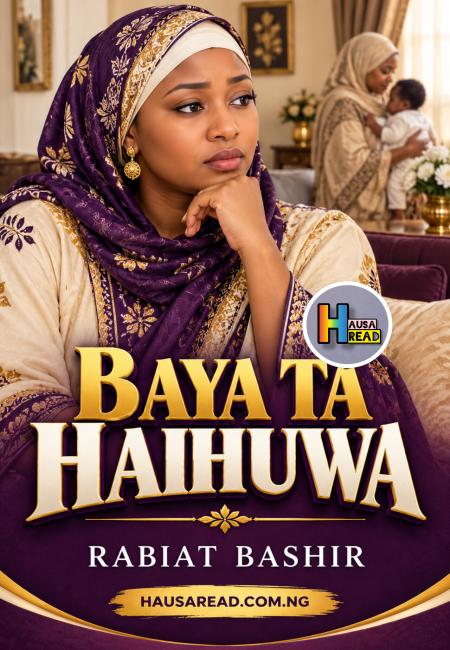 FreeFree
Description
1. About the Book
Baya Ta Haihu (a Hausa idiom translating literally to "the back has given birth", metaphorically meaning "regret after action" or "facing the severe, unforeseen consequences of one's past choices") is a dramatic, real-life inspired Hausa digital web novel.
Set primarily in Yola, Adamawa State, and structured through a retrospective framing narrative inside a women's correctional facility (prison), the novel explores the intersections of romantic obsession, family pressure, socioeconomic tension, and pivotal choices that permanently alter young women's lives.
2. Purpose of This Page
This resource page serves as an immersive guide for literary analysts, Hausa cultural scholars, and novel enthusiasts. Rather than offering a simple text translation, it provides:
- Contextual Breakdown: Decodes embedded socio-cultural dynamics (poverty vs. sudden wealth, filial piety, marriage pressures).
- Structural Framing Analysis: Explains the prison-narrative framing technique used by the author.
- Glossary & Nuance Guide: Clarifies specific Hausa idioms, dialogue undertones, and cultural references.
3. Why Is the Book Called Baya Ta Haihu?
In Hausa culture and literature, the phrase "Baya ta haihu" is invoked when an individual makes a hasty, headstrong decision—often ignoring parental warnings or moral counsel—only to confront overwhelming, irreversible regret later.
+-----------------------------------------------------------------------------------+ | LITERARY MEANING | +-----------------------------------------------------------------------------------+ | Literal: "The back has given birth." | | Idiomatic: "Consequences have matured" or "The chickens have come home to roost." | | In-Novel: Maryama & Rabi'atu look back from prison at decisions made in youth. | +-----------------------------------------------------------------------------------+4. Main Characters to Know
+----------------+--------------------+---------------------------------------------------------------+ | Character Name | Role / Status | Key Traits & Plot Significance | +----------------+--------------------+---------------------------------------------------------------+ | Maryam | Co-Protagonist | Main narrator of Episode 1; fiery, headstrong, hopelessly | | (Khadijah) | / Inmate | in love with Habibu; serving a prison sentence 9 months in. | +----------------+--------------------+---------------------------------------------------------------+ | Rabi'atu | Co-Protagonist | Inmate & confidante; mother grieving separation from her | | (Badaweeya) | / Inmate | children; her past crime is also tied to a man. | +----------------+--------------------+---------------------------------------------------------------+ | Habibu | Maryam's Sweetheart| Handsome ("giant man"), impoverished, son of a gambler; | | (Yaya Habibu) | | deeply devoted to Maryam; plans to seek fortune in Lagos. | +----------------+--------------------+---------------------------------------------------------------+ | Hamzah | Cousin / Suitor | Returns wealthy from Lagos after 3 years; favored by Maryam's | | (Hammah) | | family (Ammi & Hafsah) due to his sudden affluence. | +----------------+--------------------+---------------------------------------------------------------+ | Ammi | Mother | Pragmatic, materialist mother; demands Maryam marry Hamzah; | | | | rejects Habibu due to his family's poverty and background. | +----------------+--------------------+---------------------------------------------------------------+ | Anty Hafsah | Elder Sister | Supports Ammi; openly mocks Habibu; harbored a crush on | | | | Hamzah before he sought Maryam's hand. | +----------------+--------------------+---------------------------------------------------------------+ | A'isha | Younger Sister | Mocks Habibu and Maryam; gets into a physical brawl with | | | | Maryam in the family compound. | +----------------+--------------------+---------------------------------------------------------------+5. Reading Notes & Narrative Breakdown
Section A: The Framing Narrative (Prison Yard)
- Setting: A quiet corner of a prison yard shaded by trees.
- Duration: Maryam and Rabi'atu have been incarcerated for 9 months.
- Key Theme: Both women reflect on how their devotion to men (silar namiji) led directly to their downfall.
Section B: Flashback — Yola, Adamawa State
- Domestic Conflict: Maryam does laundry for her father (Abba) while her sister Hafsah plait her mother's (Umma/Ammi) hair.
- Socioeconomic Tension:
- Habibu's father is known for gambling (caca).
- The family accuses Habibu's home of subsisting on cassava flour (kwaki) and gambling proceeds.
- Ammi and Hafsah view Habibu as an unacceptable match despite his striking looks.
Section C: The Catalyst — Hamzah's Return
- Sudden Wealth: Hamzah returns from Lagos after 3 years driving an expensive car and bearing luxury gifts.
- Family Polarization: Ammi and Hafsah instantly redirect marital plans toward Hamzah.
- The Conflict: Maryam refuses to abandon Habibu, leading to violent domestic disputes and threats of parental disownment/curses (Allah ya isa).
6. Hausa Terms and Cultural Context
+------------------------+------------------------------------+---------------------------------------------------------+ | Hausa Term | Literal Translation | Cultural Significance in the Story | +------------------------+------------------------------------+---------------------------------------------------------+ | Istigfari | Seeking forgiveness from Allah | Daily spiritual practice of the incarcerated women. | | Kwaki / Garri | Processed cassava flour | Symbol of severe poverty when eaten as a staple food. | | Caca | Gambling / Games of chance | Considered taboo (*haram*) and socially stigmatizing. | | Bafulatana | Fulani woman | Associated with specific hair textures and features. | | Baya ta haihu | Idiom: "The aftermath has come" | Warning delivered by the mother about tragic regret. | | Habibty / Hayaty | Arabic loanwords: "My love/life" | Terms of endearment used between Habibu and Maryam. | | Allah ya isa | "May God judge between us" | A serious cultural invocation/curse used by parents. | +------------------------+------------------------------------+---------------------------------------------------------+7. Questions the Story Raises
- Love vs. Economic Security: Is Maryam's insistence on marrying an impoverished suitor acts of genuine loyalty, or dangerous stubbornness?
- Parental Authority vs. Personal Agency: To what extent does parental coercion drive young women toward drastic, destructive choices?
- The Origin of Wealth: How did Hamzah amass sudden, immense wealth in Lagos in just 3 years, and does it carry hidden risks?
- The Prison Connection: What specific crime will Maryam and Rabi'atu eventually commit as a direct result of these romantic entanglements?
8. About the Author
- Author: Rabi'atu Bashir Abdullahi (widely known under the pen names Ummu Maher and Mrs. Shu'aibu / formerly Mrs. Green).
- Affiliation: Prominent member and leader within Arewa Writers' Association.
- Style: Moral realist fiction focusing on real-life stories (true life stories), social issues, marital challenges, and youth guidance in Northern Nigeria.
9. What Makes This Page More Valuable Than a Translated Excerpt?
- Socio-Cultural Contextualization: Unpacks systemic realities in Northern Nigerian society—such as economic pressures, suitor vetting, and familial dynamics—that simple machine translations miss.
- Literary Analysis: Identifies structural techniques (in-media-res framing, foreshadowing, character foils).
- Glossary Integration: Preserves authentic Hausa terminology while making the overarching themes accessible to a wider readership.
10. Recommended Public Page Order
To present this story effectively on a web page or digital publishing index, use the following visual hierarchy:
+--------------------------------------------------------------------+ | 1. BOOK HEADER & METADATA (Title, Author, Dedication, Rules) | +--------------------------------------------------------------------+ | 2. EXECUTIVE SUMMARY & "WHY IS THE BOOK CALLED BAYA TA HAIHU?" | +--------------------------------------------------------------------+ | 3. CHARACTER DIRECTORY & DRAMATIS PERSONAE | +--------------------------------------------------------------------+ | 4. CHAPTER / EPISODE TEXT (Formatted Excerpt & Chapters) | +--------------------------------------------------------------------+ | 5. CULTURAL GLOSSARY & ANNOTATION NOTES | +--------------------------------------------------------------------+ | 6. DISCUSSION QUESTIONS & AUTHOR PROFILE | +--------------------------------------------------------------------+Implementation Notice
Important Implementation Rule (5k Word Expansion): To expand this structure into a full 5,000-word comprehensive web page analysis, each section above can be populated with expanded line-by-line chapter commentary, character arc predictions, extended linguistic glossaries, and thematic essays comparing Baya Ta Haihu to contemporary Northern Nigerian digital prose.