This is the opening of the fantasy epic "BAƘAR DAULA" (The Dark Empire) by Ameera Adam. The story is set in a fictionalized, ancient world characterized by dark magic, blood sacrifices, and a brutal power struggle between kingdoms and supernatural entities.
Summary of the Excerpt
The story opens 1,000 years in the past (1022) in the Empire of Sarkin Damina. The empire is suffering from a plague called haɓo. To appease their deity, Sarauniya Sha-kundum, the King engages in gruesome rituals. The Queen’s spirit resides in a stone idol, and the King relies on a mysterious "Boka Mai Zamani" (Ancient Sorcerer) to interpret her will. The oracle reveals that the Queen’s spirit has been reborn within the lineage of hunters and warriors—the very people the King is commanded to hunt down. Meanwhile, in the village of Dabur, a fierce young huntress (the narrator) discovers that a predator named Barde has brutally attacked her mother figure, Kandala. Vowing vengeance, she gathers her clan and prepares for war, unaware that the empire's soldiers are currently being dispatched to hunt her people down.
Analytical Insights
Theme of Fate: The prologue explicitly links the concept of "shadow" to "destiny" (ƙaddara), suggesting that the characters are bound to their paths regardless of their will.
Morality and Power: The Empire of Sarkin Damina is portrayed as deeply oppressive. The King’s willingness to kill his own subjects to appease a stone idol highlights the corruption inherent in his rule.
The Heroine’s Archetype: The narrator is a "warrior woman" archetype, common in epic fantasy. Her introduction is filled with kirari (praise poetry) that emphasizes her strength, independence, and lethal skill with a bow, positioning her as the primary foil to the King’s tyranny.
Supernatural Elements: The story features "living" idols, sacrificial rituals, and a mysterious prophecy concerning a "hidden spirit" (ruhi) and a "dark dust" (baƙar ƙura), creating a high-stakes atmosphere where the protagonists are fighting against both human enemies and ancient magical forces.
Terminology & World-Building
Sarkin Damina: The antagonist ruler. His reliance on the sorcerer indicates a leadership style built on fear and superstition rather than justice.
Sarauniya Sha-kundum: The dark deity/deified queen whose influence controls the political and existential fate of the empire.
Maharba da Mafarauta (Hunters/Warriors): This group represents the "outcasts" who hold the secret to the Queen’s rebirth, setting them on a direct collision course with the imperial army.
Dabur: The village serving as the protagonist's base, now under threat of total annihilation by the imperial soldiers.
Description of the Original Work
Style: The prose is heavy with epic, archaic Hausa phrasing, utilizing kirari (praise singing) to build the grandeur and intensity of the characters.
Tone: The tone is dark, violent, and suspenseful. It falls squarely into the "Dark Fantasy" subgenre, emphasizing harsh realities, blood oaths, and ancient curses.
Intent: The author aims to create a sweeping, high-stakes tale of revenge and survival, framed within a mythical history that feels grounded in traditional African epic storytelling.
To deepen our understanding of "BAƘAR DAULA", we must look beyond the surface-level plot and examine the structural, linguistic, and cultural frameworks Ameera Adam employs. This work stands out within the Littattafan Soyayya/Fiction genre in Northern Nigeria by pivoting toward Epic Dark Fantasy.
1. Structural Analysis: The "Mythic Cycle"
The story operates on a classic "Mythic Cycle" framework:
The Catalyst (The Sacrifice): The empire is crumbling, and the King attempts to "purchase" salvation through blood sacrifice. This establishes the moral polarity: The Empire represents stagnation and parasitic survival (eating others to live), while the Hunters represent natural order and survival by skill.
The Inciting Incident: The intersection of two plot lines—the King's decree to hunt the hunters, and the personal tragedy of the narrator (Kandala’s attack)—creates a "destiny collision."
The Shadow and The Light: The Sorcerer speaks of a "dark dust" (baƙar ƙura), a classic fantasy trope representing an impending apocalyptic change. By placing the Queen’s rebirth within the "hunter" lineage, the author flips the script: the Empire is hunting its own potential savior without knowing it.
2. Linguistic Analysis: The Power of Kirari
A significant portion of the text is dedicated to Kirari (heroic praise-poetry). This is not just "fluff"; it serves several narrative purposes:
Identity Construction: In a world where the King uses a "Sorcerer" to validate his rule, the protagonist uses Kirari to validate her existence. She defines herself through her lineage (Jikar Marigayi Baushe) and her skill.
Rhythmic Intensity: The repetitive nature of the kirari (e.g., “Cau cau cau cau”) creates an auditory experience for the reader, mimicking the sounds of war drums or the quick intake of breath before combat. It functions as a "battle cry" that prepares the reader for the shift from dialogue to action.
3. Cultural Archetypes and Subversion
The "Warrior Woman" (Mace Mai Kamar Maza): In traditional Hausa society, the role of a hunter is almost exclusively male. By making the protagonist a female hunter—who is explicitly described as having the spirit of a man (mace mai kamar maza)—the author is challenging gender norms within the historical fantasy setting.
The "Boka" (Sorcerer) as a Political Tool: The Sorcerer is not just a mystic; he is the "Deep State" advisor. His role highlights the historical tension between secular leadership (the King) and spiritual influence (the Boka). The King’s fragility is proven by the fact that he cannot even face his own crisis without the Sorcerer’s permission.
4. Genre Hybridization
Ameera Adam is effectively blending two distinct genres:
Traditional Hausa Oral Tradition: Drawing from folklore about hunters (maharba), magic (tsafi), and ancient kingdoms.
Modern Epic Fantasy: Implementing structured world-building, prophecy, and character-driven stakes found in Western fantasy epics like The Witcher or Game of Thrones.
5. Thematic Depth: The "Dahuwar Ƙaho" Logic
The prompt touches on the cruelty of the world. In Baƙar Daula, the characters possess a fatalistic view of life (ƙaddara). The "Dark Empire" is not just a place; it is a state of mind where the powerful believe they are entitled to sacrifice the weak. The protagonist’s journey is essentially a deconstruction of this entitlement. She represents the "wild card"—someone who refuses to be sacrificed for the Empire’s survival.
Critical Question for Interpretation
If the Queen’s spirit is reborn among the hunters—the very people the King is trying to eradicate—the King is inadvertently killing his own divinity. Is this narrative choice an intentional subversion, suggesting that the "Empire" is doomed because it is fighting against its own source of life?
Would you like me to analyze how the "Hunter's Ethos" (the moral code of the hunters in the story) contrasts with the "Imperial Ethos" of Sarkin Damina, or should we examine the function of the "Boka" character as a psychological manipulator?





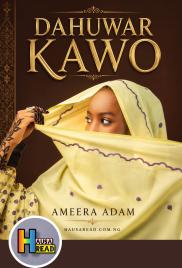


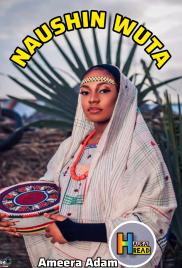









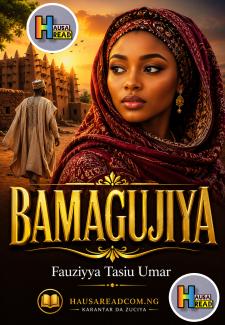




This is the opening of the fantasy epic "BAƘAR DAULA" (The Dark Empire) by Ameera Adam. The story is set in a fictionalized, ancient world characterized by dark magic, blood sacrifices, and a brutal power struggle between kingdoms and supernatural entities.
Summary of the Excerpt
The story opens 1,000 years in the past (1022) in the Empire of Sarkin Damina. The empire is suffering from a plague called haɓo. To appease their deity, Sarauniya Sha-kundum, the King engages in gruesome rituals. The Queen’s spirit resides in a stone idol, and the King relies on a mysterious "Boka Mai Zamani" (Ancient Sorcerer) to interpret her will.
The oracle reveals that the Queen’s spirit has been reborn within the lineage of hunters and warriors—the very people the King is commanded to hunt down. Meanwhile, in the village of Dabur, a fierce young huntress (the narrator) discovers that a predator named Barde has brutally attacked her mother figure, Kandala. Vowing vengeance, she gathers her clan and prepares for war, unaware that the empire's soldiers are currently being dispatched to hunt her people down.
Analytical Insights
Supernatural Elements: The story features "living" idols, sacrificial rituals, and a mysterious prophecy concerning a "hidden spirit" (ruhi) and a "dark dust" (baƙar ƙura), creating a high-stakes atmosphere where the protagonists are fighting against both human enemies and ancient magical forces.
Terminology & World-Building
Dabur: The village serving as the protagonist's base, now under threat of total annihilation by the imperial soldiers.
Description of the Original Work
To deepen our understanding of "BAƘAR DAULA", we must look beyond the surface-level plot and examine the structural, linguistic, and cultural frameworks Ameera Adam employs. This work stands out within the Littattafan Soyayya/Fiction genre in Northern Nigeria by pivoting toward Epic Dark Fantasy.
1. Structural Analysis: The "Mythic Cycle"
The story operates on a classic "Mythic Cycle" framework:
The Shadow and The Light: The Sorcerer speaks of a "dark dust" (baƙar ƙura), a classic fantasy trope representing an impending apocalyptic change. By placing the Queen’s rebirth within the "hunter" lineage, the author flips the script: the Empire is hunting its own potential savior without knowing it.
2. Linguistic Analysis: The Power of Kirari
A significant portion of the text is dedicated to Kirari (heroic praise-poetry). This is not just "fluff"; it serves several narrative purposes:
Rhythmic Intensity: The repetitive nature of the kirari (e.g., “Cau cau cau cau”) creates an auditory experience for the reader, mimicking the sounds of war drums or the quick intake of breath before combat. It functions as a "battle cry" that prepares the reader for the shift from dialogue to action.
3. Cultural Archetypes and Subversion
The "Boka" (Sorcerer) as a Political Tool: The Sorcerer is not just a mystic; he is the "Deep State" advisor. His role highlights the historical tension between secular leadership (the King) and spiritual influence (the Boka). The King’s fragility is proven by the fact that he cannot even face his own crisis without the Sorcerer’s permission.
4. Genre Hybridization
Ameera Adam is effectively blending two distinct genres:
Modern Epic Fantasy: Implementing structured world-building, prophecy, and character-driven stakes found in Western fantasy epics like The Witcher or Game of Thrones.
5. Thematic Depth: The "Dahuwar Ƙaho" Logic
The prompt touches on the cruelty of the world. In Baƙar Daula, the characters possess a fatalistic view of life (ƙaddara). The "Dark Empire" is not just a place; it is a state of mind where the powerful believe they are entitled to sacrifice the weak. The protagonist’s journey is essentially a deconstruction of this entitlement. She represents the "wild card"—someone who refuses to be sacrificed for the Empire’s survival.
Critical Question for Interpretation
If the Queen’s spirit is reborn among the hunters—the very people the King is trying to eradicate—the King is inadvertently killing his own divinity. Is this narrative choice an intentional subversion, suggesting that the "Empire" is doomed because it is fighting against its own source of life?
Would you like me to analyze how the "Hunter's Ethos" (the moral code of the hunters in the story) contrasts with the "Imperial Ethos" of Sarkin Damina, or should we examine the function of the "Boka" character as a psychological manipulator?