HR
HR FreeFree
Description
Summary of Chapter 1
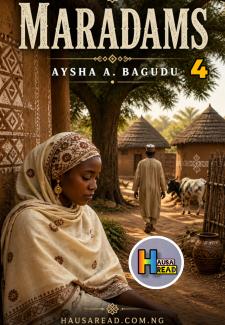
The chapter introduces Amina, a humble, hardworking woman who is the guardian of her two nephews, Hassan and Husaini (the children of her late sister, Firdausi). The story depicts the daily struggles of a woman living in poverty, trying to raise children with dignity despite limited resources.
- The Struggle for Mobility: Amina experiences the harsh realities of local transportation. She has to walk long distances with the boys because she cannot afford the taxi fares, and drivers are often unwilling to take a woman and two young, energetic boys for the small amount of money she has.
- Amina’s Resilience: Despite being worn out and hungry, Amina maintains a calm, nurturing demeanor. She teaches the boys patience and gratitude, using their difficult journey as a life lesson.
- The Financial Burden: Amina is struggling to pay for the children's exam fees. Even after sacrificing and saving, she is told the government-set fees are non-negotiable. She relies on her neighbor and confidante, Baba Lauratu, to keep her savings, reflecting a relationship of trust and shared hardship.
- Social Isolation: Amina is unmarried and faces societal pressure. Baba Lauratu advises her to consider marriage, noting that her status as an unmarried woman raising two boys makes her a subject of pity and, in some cases, hesitation for potential suitors who might be intimidated by the responsibility.
Amina’s Devotion: Amina rebuffs the pressure to marry for comfort, emphasizing that her priority is the upbringing and welfare of her nephews, who have no one else. She is determined to continue her education and raise the boys with strong moral values.
Analytical Perspective
1. The Theme of "The Noble Poor"
Sajida Niger constructs Amina as a quintessential figure of "noble poverty." She is not characterized by bitterness, but by a stoic commitment to her principles. Her refusal to exploit the wealthy "Baban Gida" (by using his cars) stems from her desire to maintain independence—she doesn't want to become reliant on others for favors that might one day be stripped away.
2. Character Contrasts
- Hassan vs. Husaini: The boys serve as foils to one another. Hassan is observant, serious, and perhaps a bit temperamental, while Husaini is more expressive, emotional, and prone to complaining when hungry or tired. Their distinct personalities test Amina's patience and parenting skills.
Amina vs. Society: Amina is a woman who chooses the harder path. Her devotion to her sister's children is an act of sacrifice that society (represented by Baba Lauratu's practical advice) struggles to understand.
3. Narrative Tone
The writing is didactic and domestic. The author includes specific "lifestyle" elements—mentions of skincare recipes, soap-making, and fragrances (Humura)—which suggest that the novel will not only focus on the plot but also act as a guide for young women in the Hausa community to achieve self-sufficiency and feminine grace.
Key Takeaways
- Moral Parenting: The dialogue between Amina and Hassan about the "borrowed pen" is a powerful scene. Amina uses a small childhood conflict to teach a major lesson about boundaries, self-reliance, and not feeling entitled to others' property.
- The Emotional Anchor: The boys' prayer for their "Mama" (Amina) at the end of the chapter reinforces that while she is poor in material wealth, she is rich in the love and loyalty of the children she has raised.