HR
HR FreeFree
Description
Summary
The story takes place in the remote, desert village of Timiya, near Agadez in the Republic of Niger. It is a traditional, isolated community of the Buzu (Tuareg) people, where life is governed by harsh desert conditions and strict tribal customs.
The protagonist is a young girl named Agaishat, whom her father, Agali, ruthlessly insults and discriminates against because of her dark complexion. In a culture where light skin is prized, Agaishat is treated as an outcast, referred to mockingly by her family and peers as "Bak'a" (The Black One). Her mother, paralyzed by fear of her husband's wrath, lives a life of quiet subservience, unable to protect her daughter.
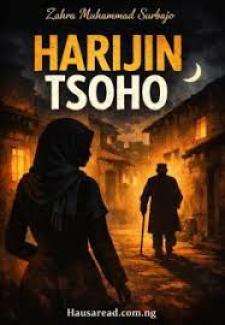
Agaishat finds her only solace with an elderly, kind-hearted teacher (Baba Tsoho), who teaches her and treats her with humanity. Meanwhile, we are introduced to other characters, such as the mysterious and beautiful Nadia, who is married to the local King, and the stylish visitor Fannata, who begins to see the hidden beauty beneath Agaishat’s dust-covered, "black" appearance. The narrative also shifts to the city of Niamey, introducing a wealthy, modern young man named Wardugu, highlighting the contrast between the traditional, impoverished desert life of Timiya and the luxury of the city.
Description and Literary Analysis
1. Setting as a Character
The author paints a vivid, sensory picture of Timiya. It is a place "where cars cannot reach," forcing a reliance on camels. The heat, the lack of running water, and the reliance on communal life create a sense of claustrophobia that emphasizes why Agaishat feels trapped.
2. The Theme of Colorism
The novel serves as a powerful social critique of colorism within Northern Nigerian and Nigerien societies. The title "Bak'a Ce" (She Is Black) is used as an insult by her own father, Agali. The author uses this to explore:
- Internalized Oppression: Agaishat begins to doubt her own humanity, asking her teacher, "Is it a sin to be born black?"
The Dehumanization of the "Other": The father’s cruelty illustrates how societal beauty standards can destroy the family unit, turning parents against their children based on aesthetics.
3. Narrative Structure: The Dual Worlds
The story employs a parallel narrative structure:
- The Desert (Timiya): Represents traditionalism, poverty, patriarchal oppression, and spiritual/intellectual growth (via the teacher).
- The City (Niamey/Wardugu’s world): Represents modernity, wealth, cold luxury, and moral ambiguity.
The Link: By moving between these two worlds, Sajida Nijar suggests that the "darkness" society assigns to Agaishat is an external judgment, while the "light" of the city hides its own complications and lack of true peace.
Key Character Insights
- Agaishat (Bak'a): She is the "resilient martyr." Despite the abuse, she remains dutiful to her mother and seeks knowledge through her teacher. Her journey is clearly one of eventual self-discovery and empowerment.
- Agali (The Father): He represents the toxic manifestation of societal pressure. His obsession with his other daughters' marriages for money, combined with his rejection of Agaishat, makes him the primary antagonist.
- Baba Tsoho (The Teacher): The emotional anchor of the story. He is the only one who validates Agaishat’s existence, acting as a bridge between her current misery and her potential future.
Wardugu: A foil to Agaishat. While she struggles for water, he lives in a world of high-end motorcycles and expensive decor, yet he is clearly unhappy and strained in his relationship with his mother.
Analytical Commentary
The author uses the "Buzu" cultural context effectively to make the story feel authentic. The linguistic choices—using terms like Turkudi (the traditional dark fabric of the Buzu) to emphasize Agaishat’s darkness—show how the author uses cultural symbols to reinforce the theme of prejudice.
The story is not just about a girl being called "black"; it is an investigation into the loss of identity. Agaishat’s struggle to find out who she really is, and why her mother is so terrified of her father, provides the central mystery that drives the reader to want to know the truth of her origin.